Majuli's Flora & Fauna
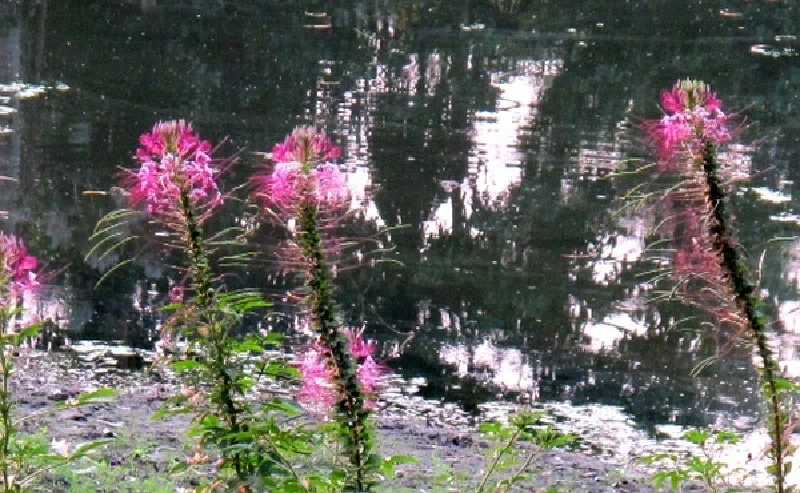
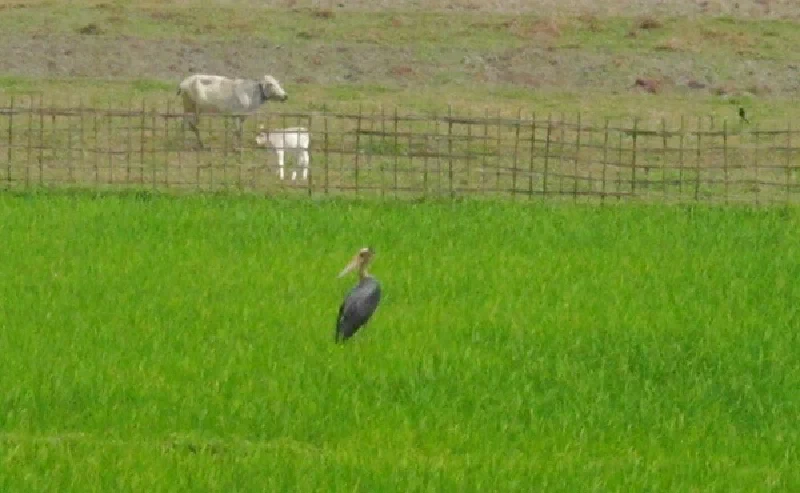
It is easy to forget that Majuli is an island, holding within it hills, vast open paddy fields, rivulets, dry sandy river beds and corpses of thick trees. Majuli falls along a major migratory path for ducks, geese and other birds. As a result, an extra-ordinary large number of birds can be seen here, even just simply by driving or cycling around. We saw Purple Moorhens by hundreds, a great number of egrets and herons and a number of Lesser and Greater Adjutant storks.Vaishnavite Monasteries
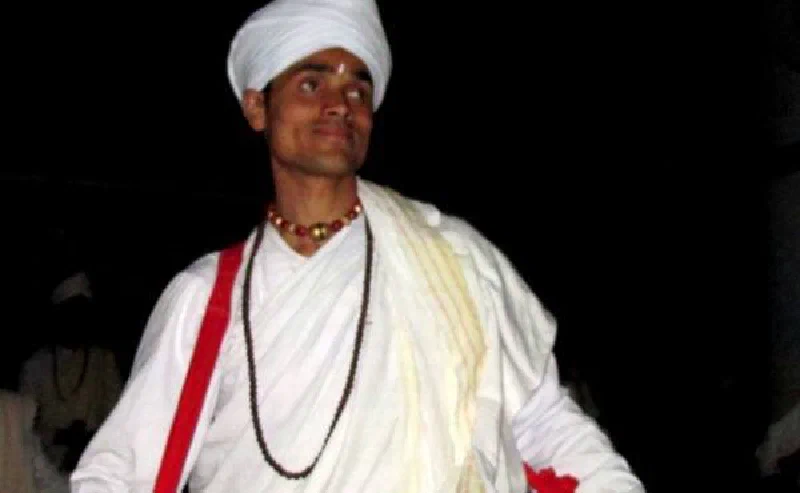
As interesting as Majuli's distinctive landscape are its satras, unique monasteries, established in the 15th century by a visionary reformer-philosopher, Shankardeva. Translating Sanskrit texts into Assamese, he broke the monopoly of Brahmins and made them accessible to common people. The fundamental idea behind the monastic life was to simplify faith and getting rid of elaborate rituals to concentrate on the actual object of faith.Entering the Satra compound, one leaves behind one’s footwear and hopefully one’s arrogance. The monks, all males, live in simple and clean rooms, connected through long, common verandahs. The monks here are divided in small families' of 3 - an older monk, a monk who is the bread winner and the youngest, the student. They live together in a small boha’, which is their family home.
At the centre of the Satra is the Naamghar - a prayer hall where monks gather to enact plays, music and dance. The satras are rich depositories of traditional Assamese arts and crafts, and regularly stage dance dramas in praise of Vishnu. Many of the monks have been invited to perform all over the country and even overseas. Watching one of the performances is a riveting experience.