Leh

Capital of Ladakh

← Back
7 min read

The Bazaar and Old Town

After spending a day acclimatizing and settling into your hotel, you are most likely to explore Leh soaking up the atmosphere of the bazaar. Sixty odd years ago, this bustling tree lined boulevard was the busiest market between Yarkhand and Kashmir. Merchants from Srinagar and the Punjab would gather to barter for Pashmina wool brought down by nomadic herdsmen from western Tibet, or for raw silk hauled across the Karakorams on Bactrian camels.

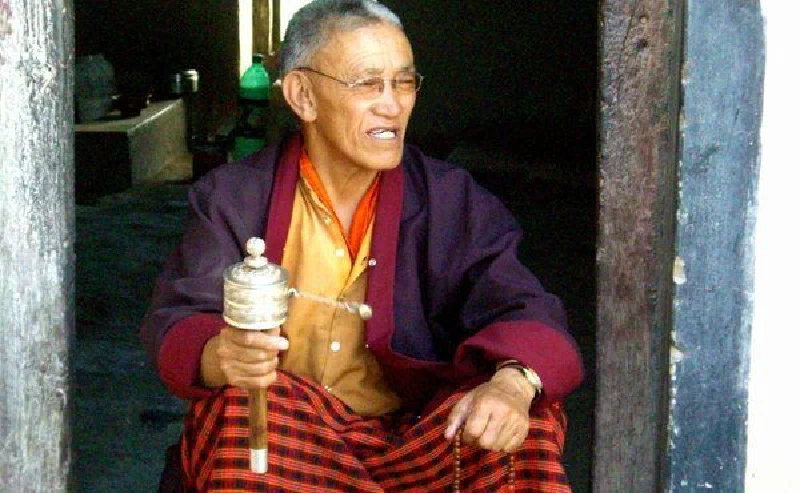
These days, although the street is dotted with kitsch curio shops and handicraft emporiums, it retains a distinctly central Asian feel. Clean shaven Ladakhi Lamas in sneakers and shades rub shoulders with half bearded Baltis from the Karakoram and elderly Tibetan refugees whirring prayer wheels, while now and again, snatches of Chinese music can be heard from the shopkeeper’s transistor radios.

At the bottom of the bazaar, women from nearby villages, stovepipe hats perched jauntily on their heads, sit behind piles of vegetables, spinning wool and chatting as they appraise the passers by.
Leh Palace

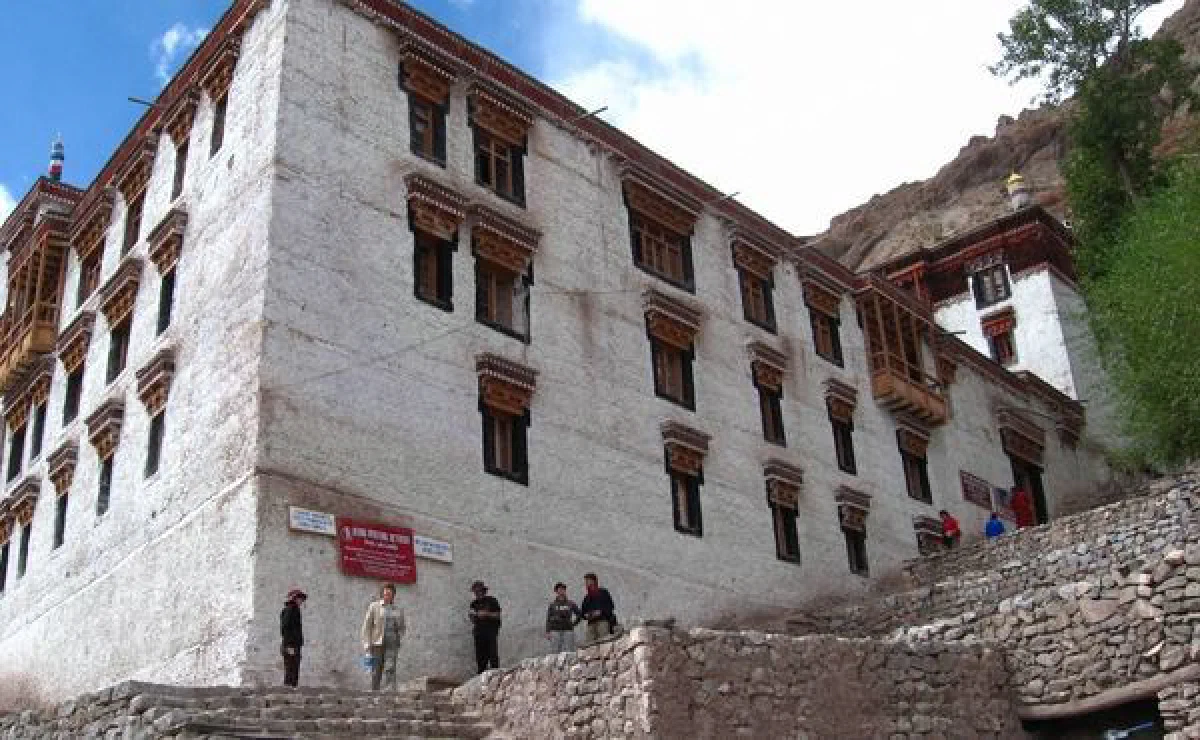
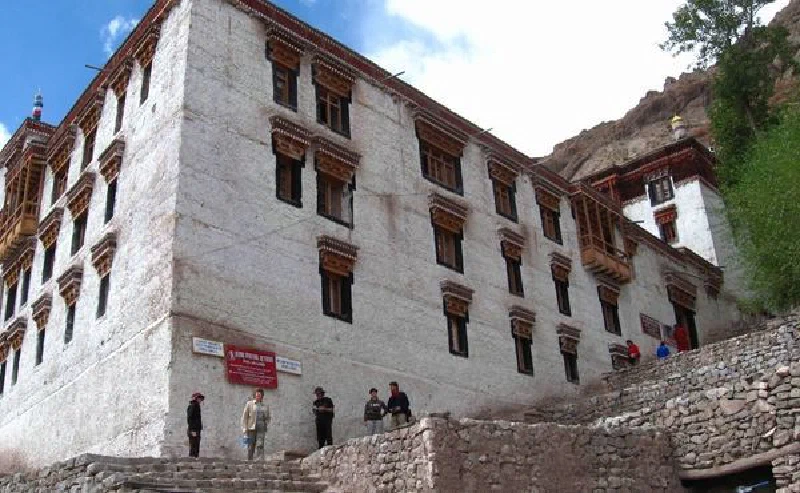
The old palace of the kings of Ladakh overlooks the town from the southwest slope of the Tsemo hill. It has eight storeys and was built by King Sengge Namgyal in the 16th century, at much the same time as the famed Potala of Lhasa - which it resembles. The damage to the palace - one side is gaping open - stems from the Kashmiri invasions of the last century. Like the Shey palace, the Leh palace still belongs to the Ladakhi royal family, who now live in their palace in Stok.

Leh Gompa

The Leh Gompa stands high above the palace and also overlooks the ruins of the older palace of the King of Tagpebums. The Red Gompa, also known as Namgyal Tsemo Gompa, was built in 1430 by King Gvags-Pa-Bum-Ide. It has a fine three-storey high seated Buddha figure flanked by Avalokitesvara on the right and Manjushri on the left. In all there are three Gompas at the top of the hill. The topmost one is in a very ruined condition but offers extremely fine views over Leh and the surrounding countryside. To the right of the palace one can see a Buddha painted on the rocks, a remnant of an earlier monastery.

White-water Rafting

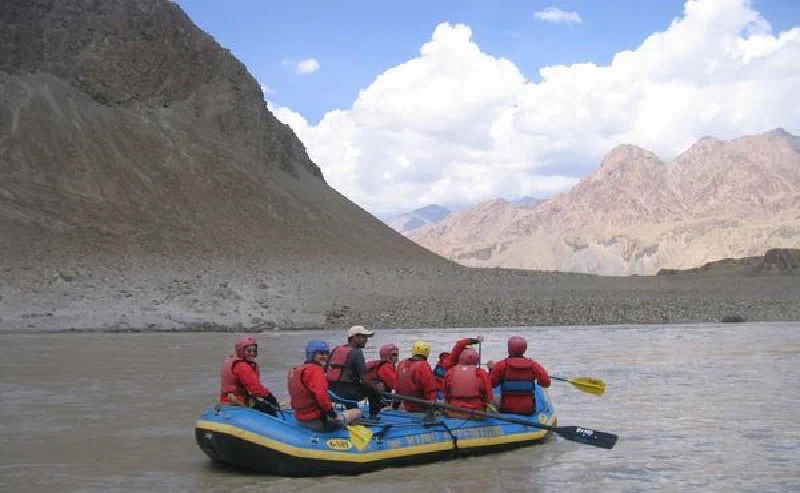
It is possible to do a 3-hour white-water rafting trip on the Indus. The rafting is easy but very scenic when you float down the river. The costs include all transport, gear, food and a guide. The season only lasts from around early July to mid-September.
Connect by Email Follow us on Facebook Follow us on LinkedIn Twitter