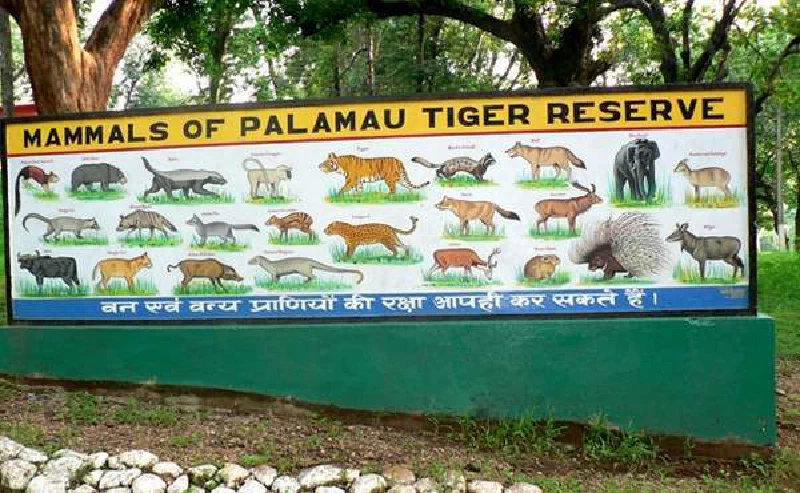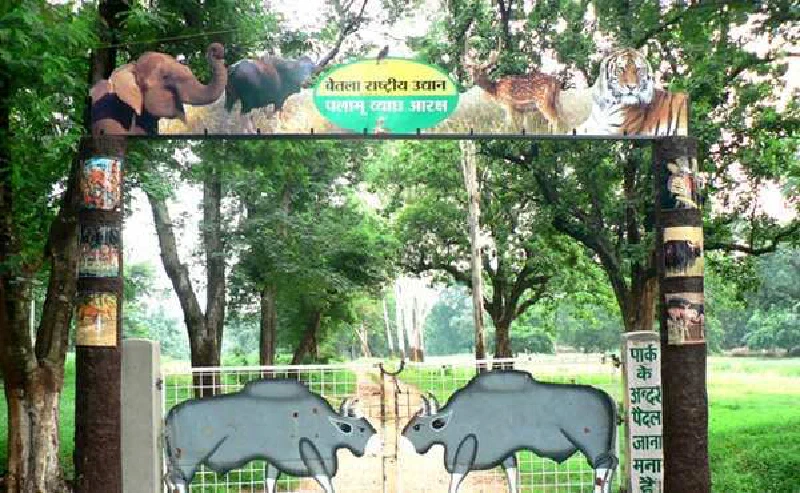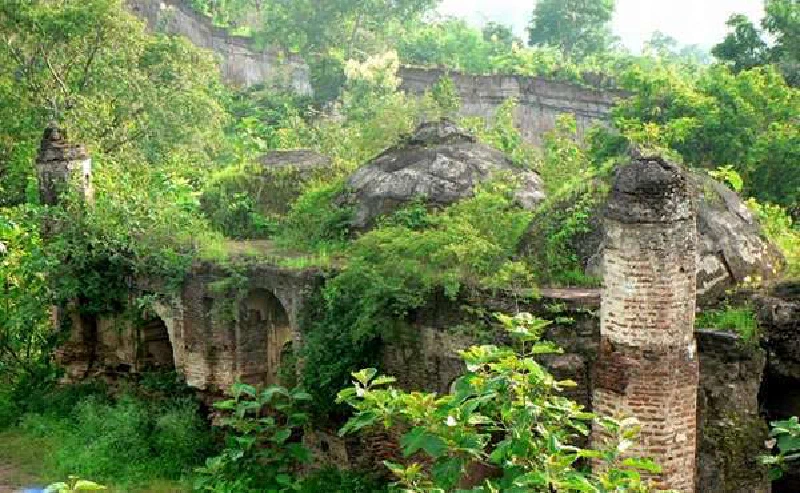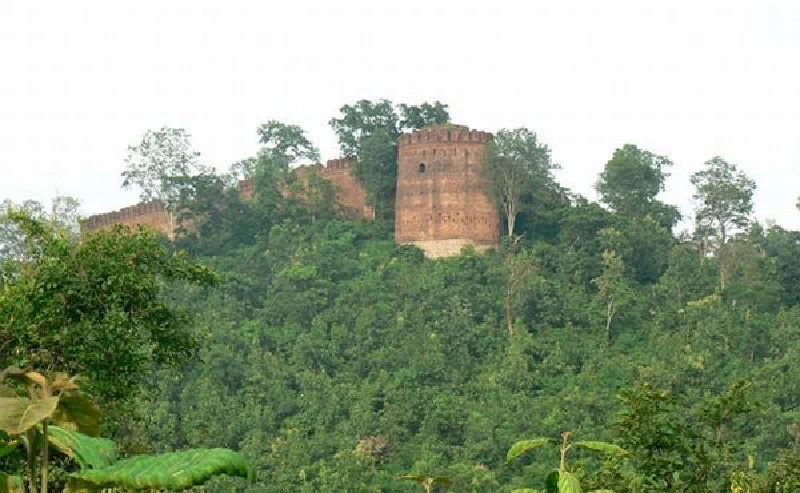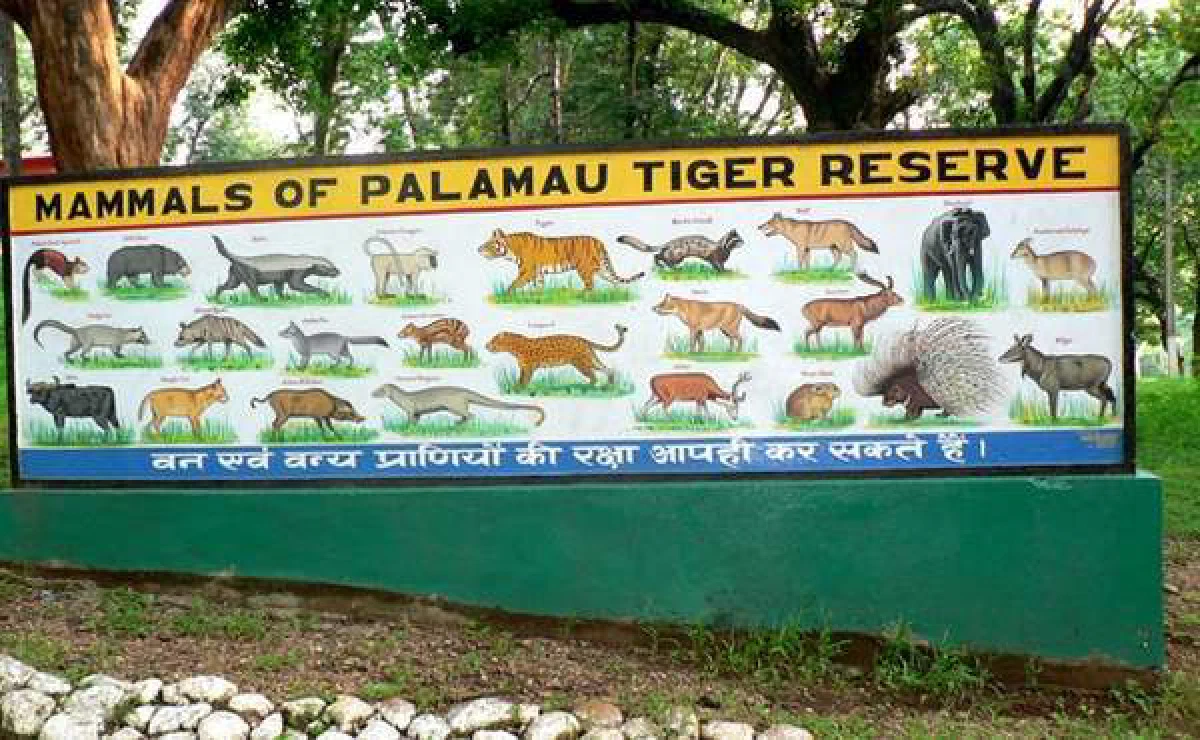
Palamau National Park was one of first Tiger Reserves to be created in India, and in fact the first tiger census in the country was conducted here in 1932. The entire Palamau Sanctuary covers around 1000 sq km, of which the core area of 232 sq km was declared as Betla National Park in 1989. The vegetation is very dense, with stands of sal forest, rich evergreens, teak trees and bamboo thickets. The park is home to abundant wildlife, including tigers, leopards, elephants and bison. The park also protects several rarely seen, highly endangered, species, such as the ratel, mouse deer, pangolin and chowsingha. Within the park are also the evocative and overgrown ruins of two 16th century forts.
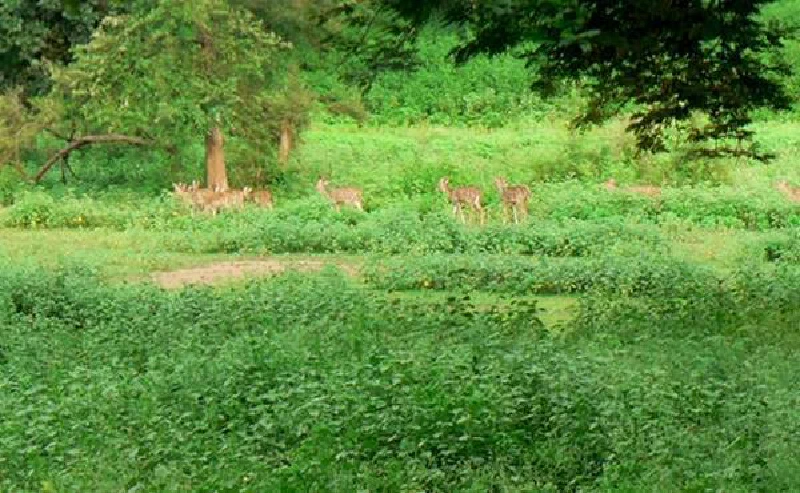
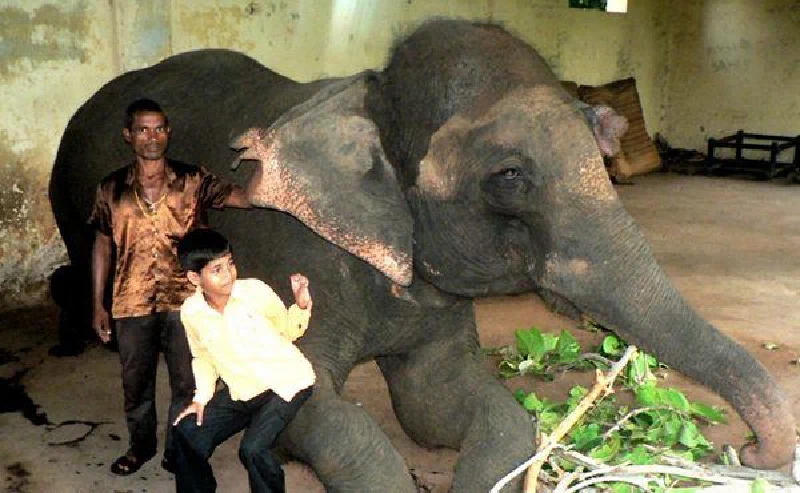
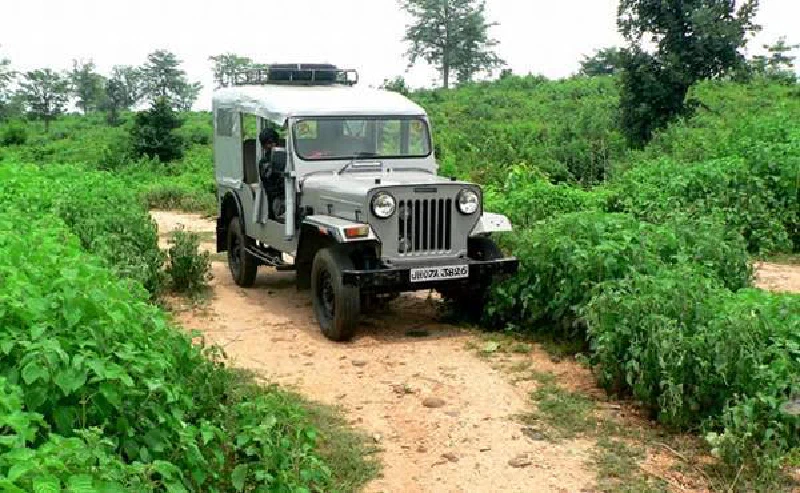
Access to the park is usually restricted during the monsoon months from July to September, but in the drier months you can explore the park by elephant or by jeep. Elephant safaris operate in the early mornings, and take place in the relatively open areas close to the entrance to the core area at Betla, where sightings of deer and monkeys are plentiful. Jeep safaris are best enjoyed in the late afternoons, and explore further into the park, both on sealed roads, and on rough tracks through the jungle, in search of the more rarely seen wildlife, such as tigers.
Of course, wildlife sightings are always a matter of chance, bet tend to become more frequent towards the end of the dry season, say from March to May, when the vegetation is less dense, and the animals are attracted to the dwindling water sources.
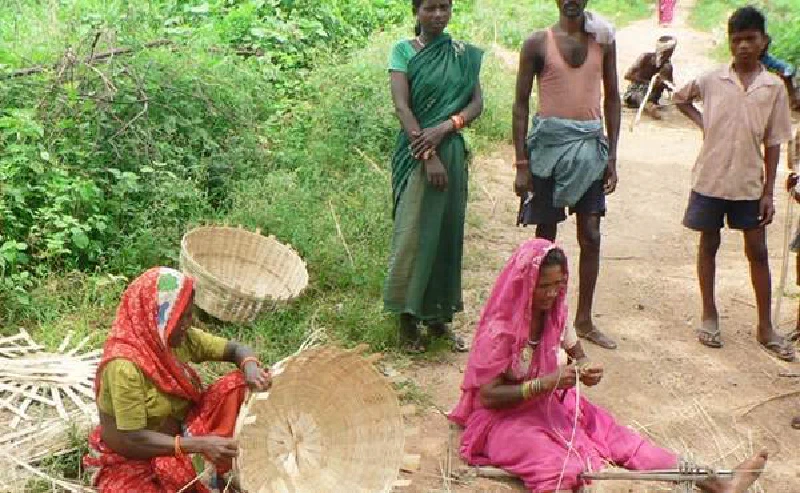
But there is also plenty to see in the unspoilt rural areas surrounding the park, from hilltop temples overlooking the park, local beauty spots such as the confluence of two major rivers, to the ruined forts within the park, and tribal villages where traditional crafts such as bamboo basket making, and carpet weaving on traditional handlooms, can still be seen.