Hampi
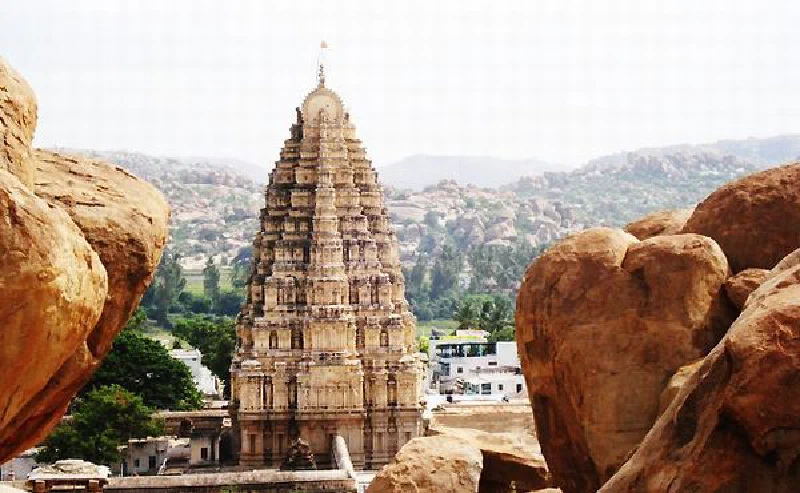
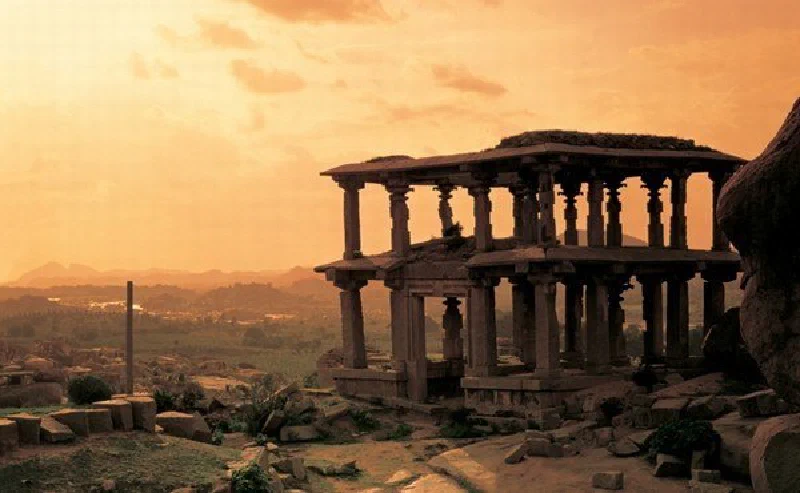
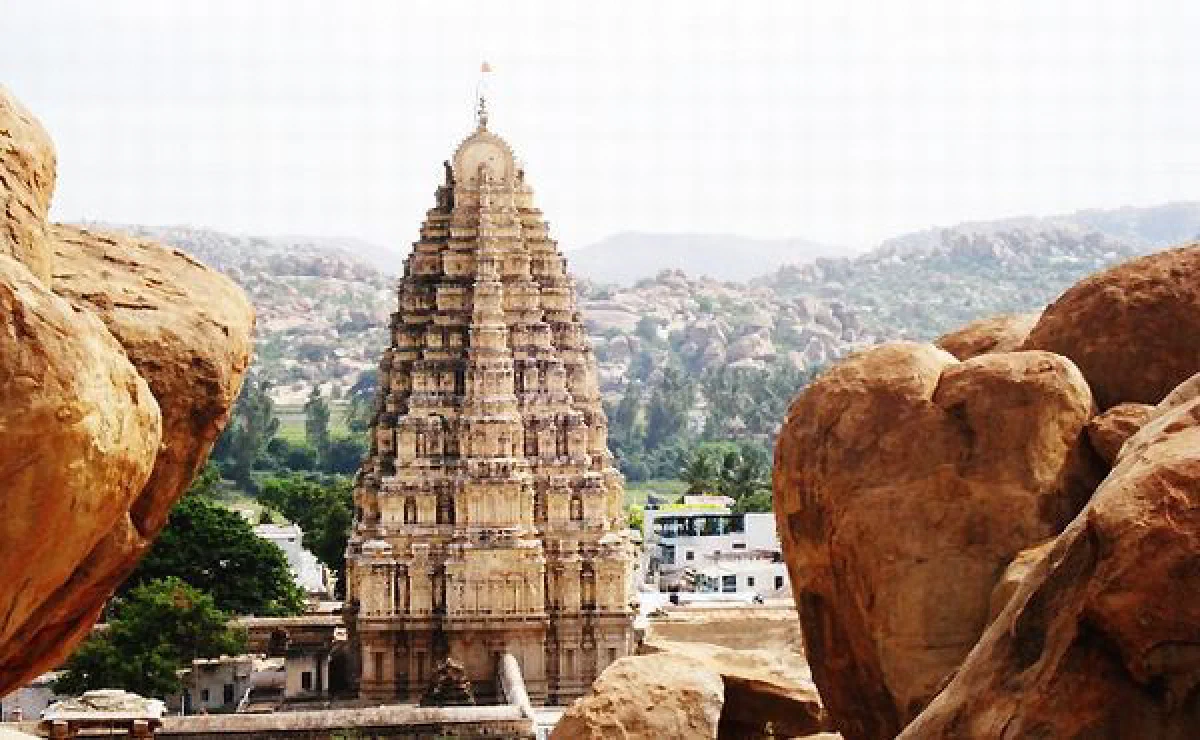
In the 16th century, Hampi rivalled Rome in splendour and controlled almost all of south India. After Muslim invasions though, only the stone buildings and a ghost city remained.The main tourist spots in Hampi can be divided into two broad areas: the Hampi Bazaar area and the Royal center near Kamalapuram. The 15th-century Virupaksha Temple is located in the Hampi Bazaar area. It is one of the oldest monuments of the town. The tower of the temple rises about 50 m from the ground and the main shrine is dedicated to Virupaksha, a form of Lord Shiva.
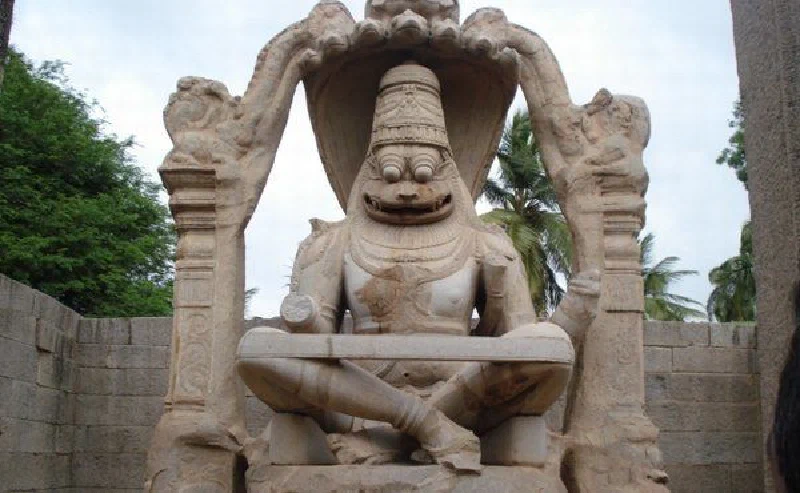
Hemakuta Hill, south of the Virupaksha temple, contains early ruins, Jain temples and a monolithic sculpture of Lord Narasimha, a form of Lord Vishnu. Hemakuta Hill offers excellent views of Hampi Bazaar.
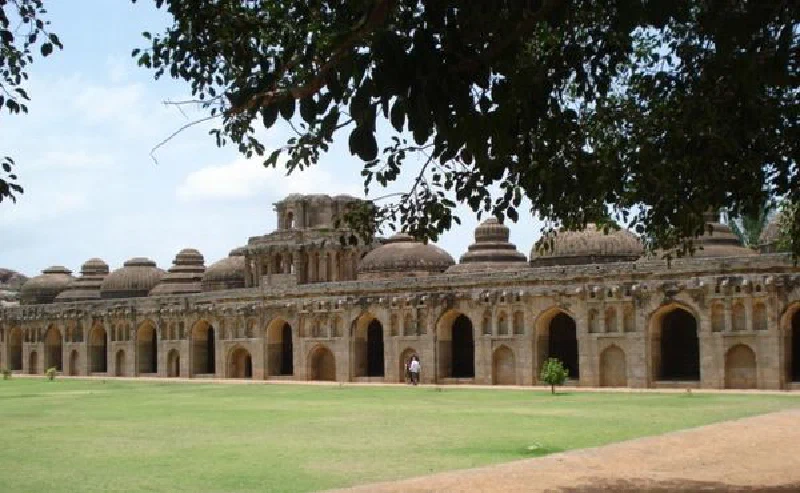
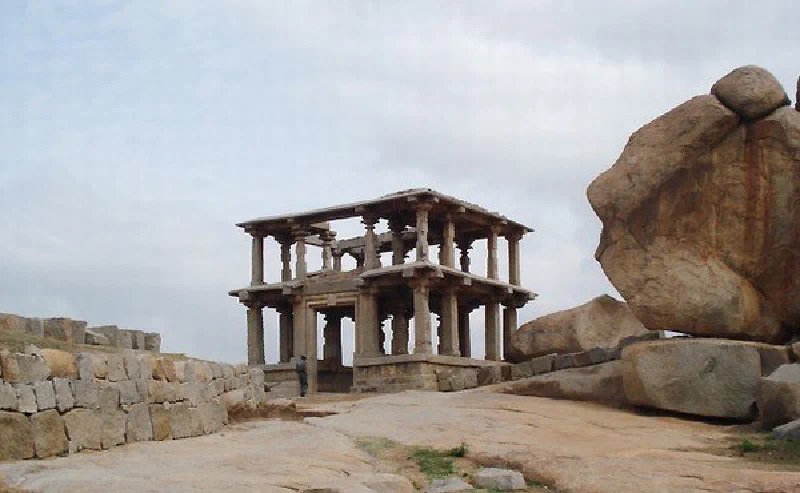
One can still see the `King’s Balance’ where kings were weighed against grain, gold or money which was then distributed to the poor, the Queen’s Bath with its arched corridors, projecting balconies and lotus-shaped fountains that once sprouted perfumed water, the two-storied Lotus Mahal with recessed archways, the huge Elephant Stables, the splendid Vithala Temple, still used for worship, and much more.
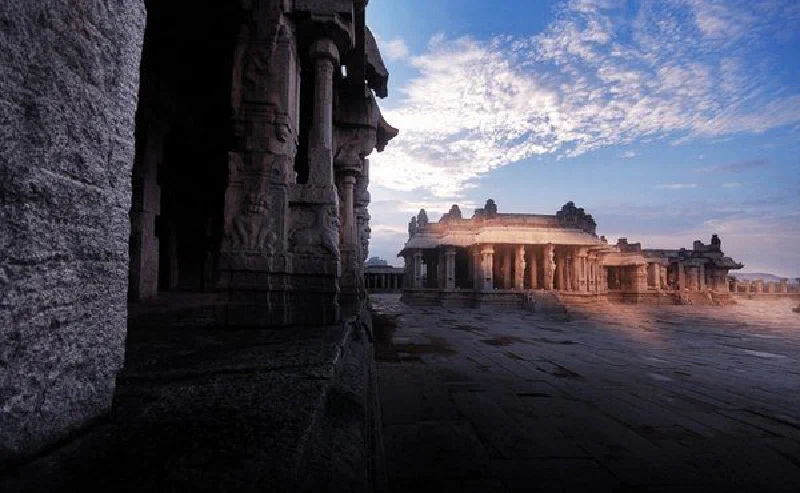
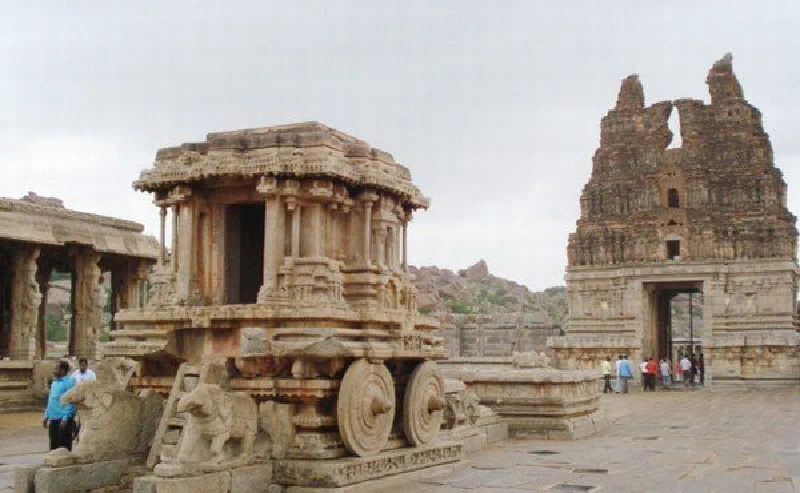
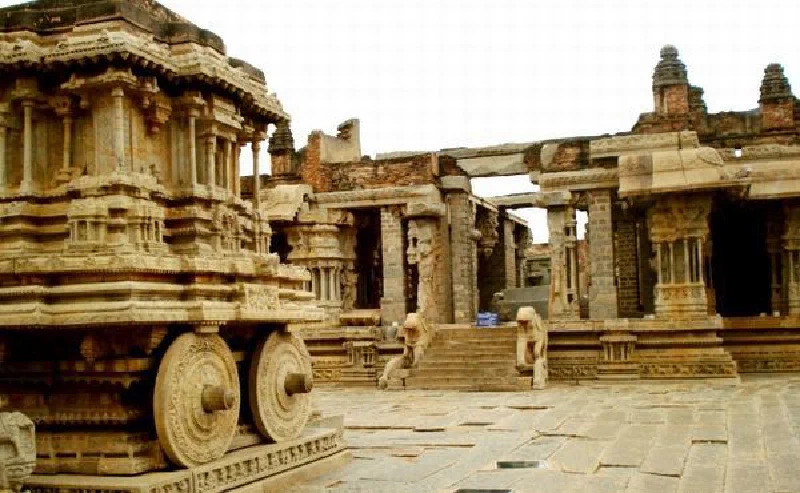
Two kilometers east of Hampi Bazaar is the World Heritage Vithala temple, built in the 16th century. The carvings on this temple give an insight into the architectural splendor achieved by the artisans of the Vijaynagar Empire. The outer pillars of this temple are known as “the musical pillars” as they produce sounds of different musical instruments.
Apart from the Hampi Bazaar and the Royal center, Anegondi is another area worth visiting. It is a fortified area north of Hampi Bazaar across the Tungabhadra River. There are a number of temples, including the hilltop “monkey temple” which offers superb views over the whole area.
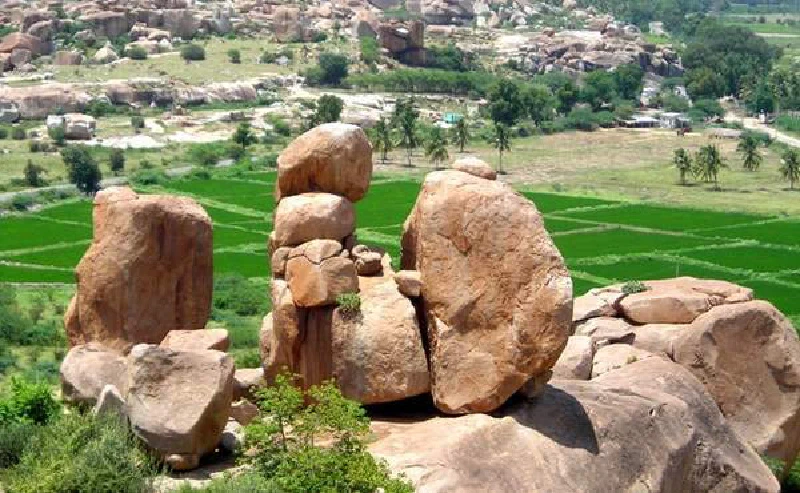
The main highlights of Hampi can be seen in one long day of sightseeing, but it is well worth spending extra days here to ride a cycle, or walk, amongst the spectacular landscape dotted with ancient ruins.