Fort Cochin
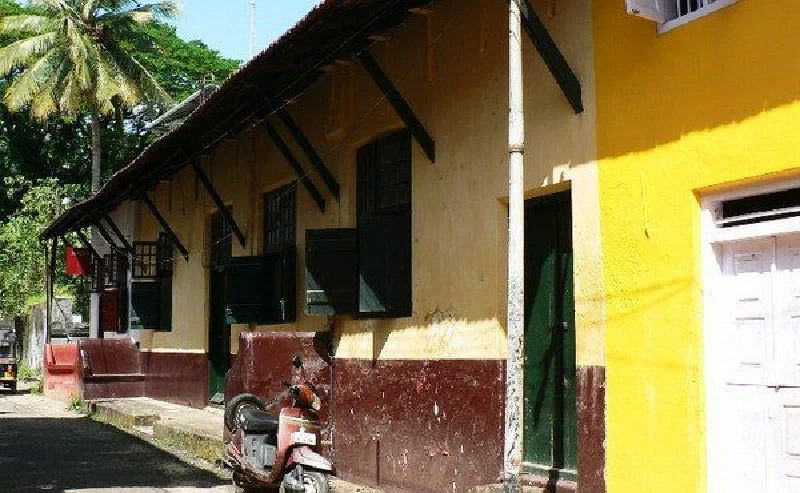
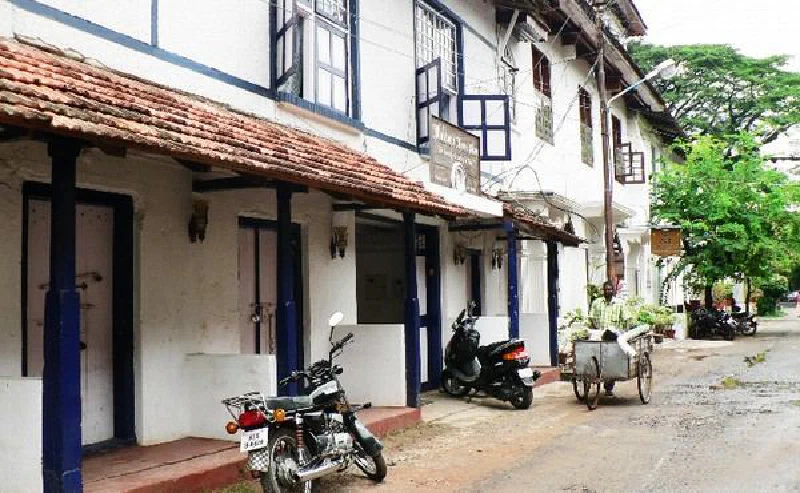
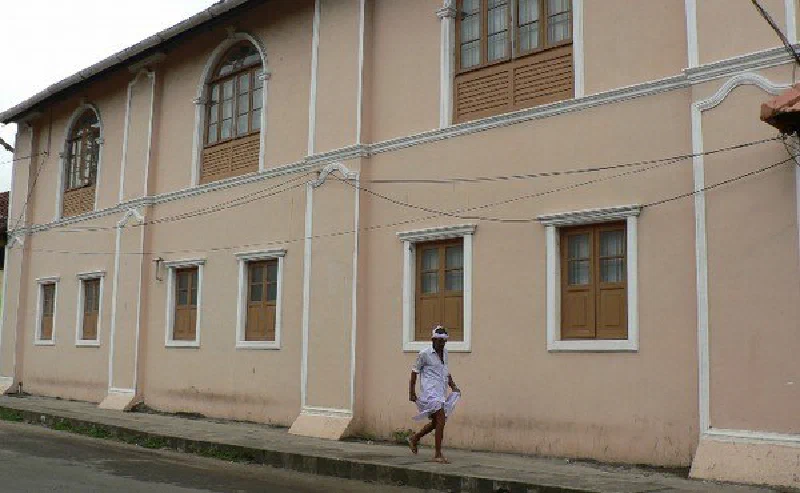
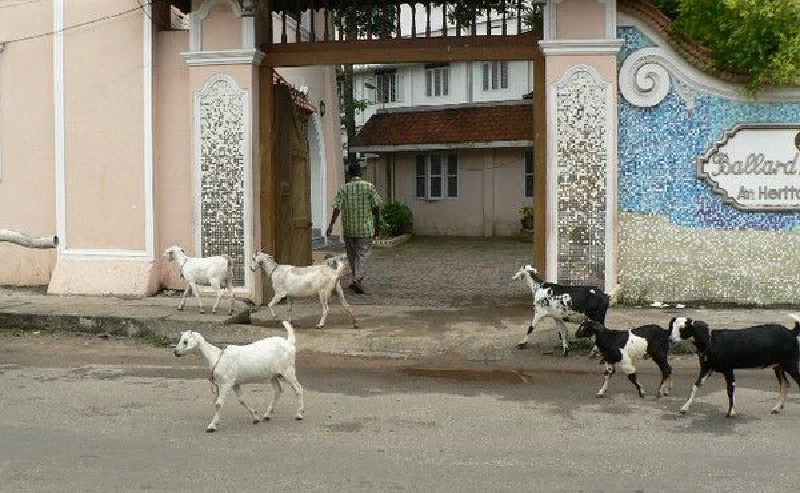
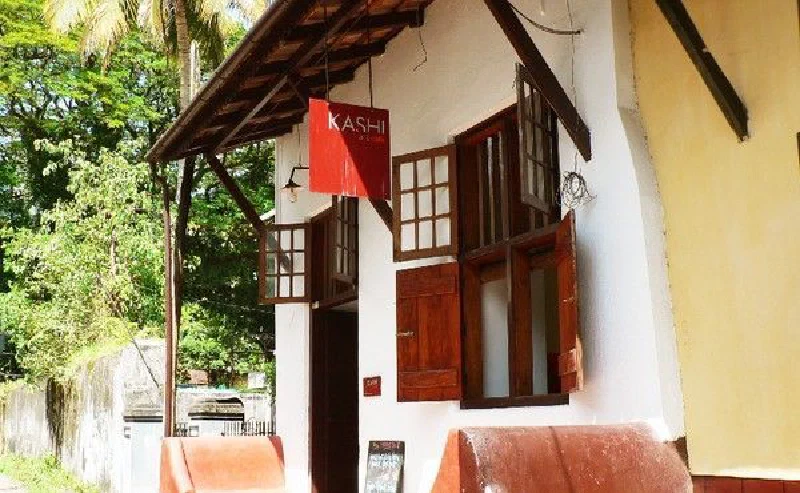
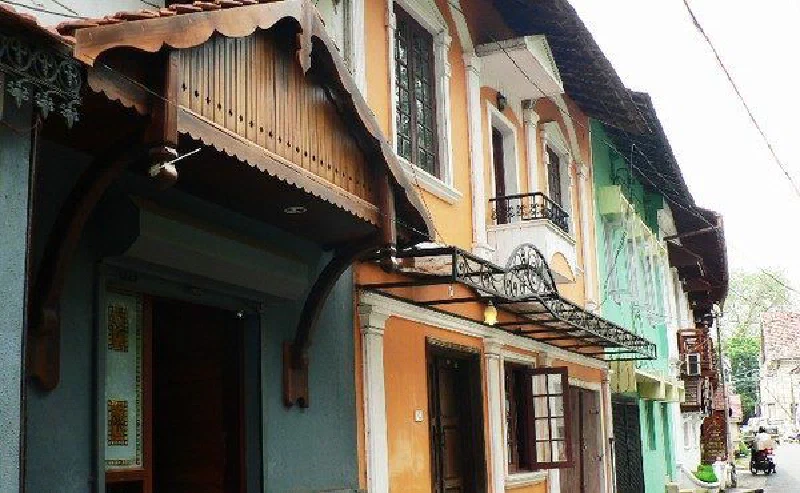
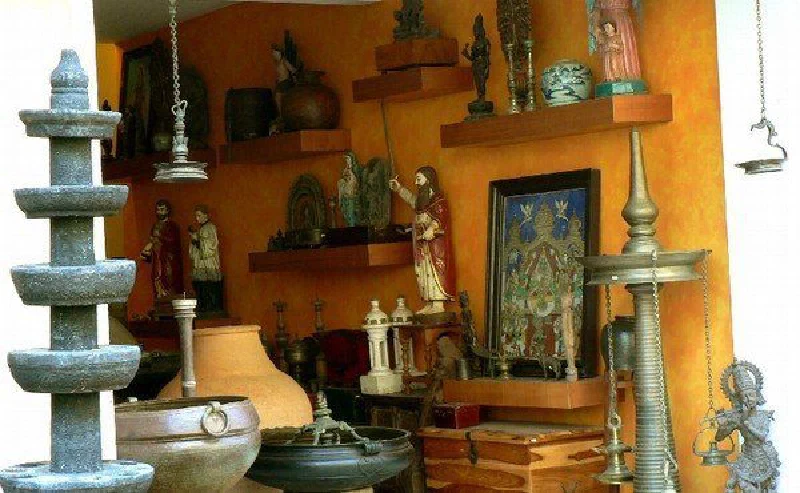
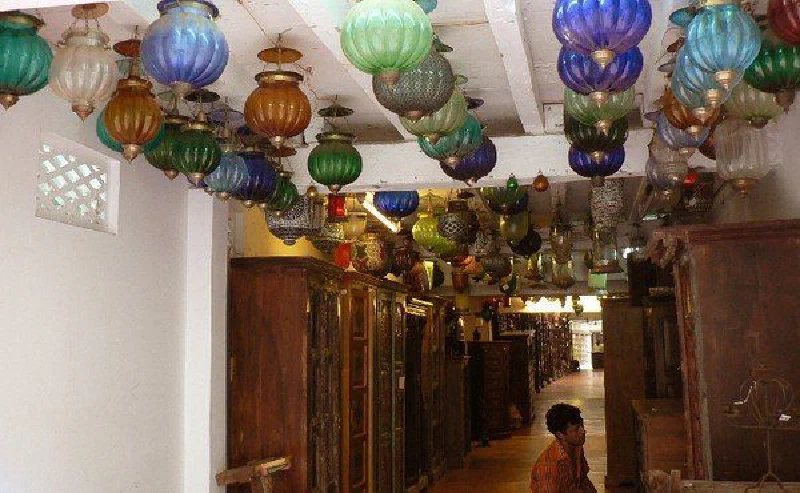
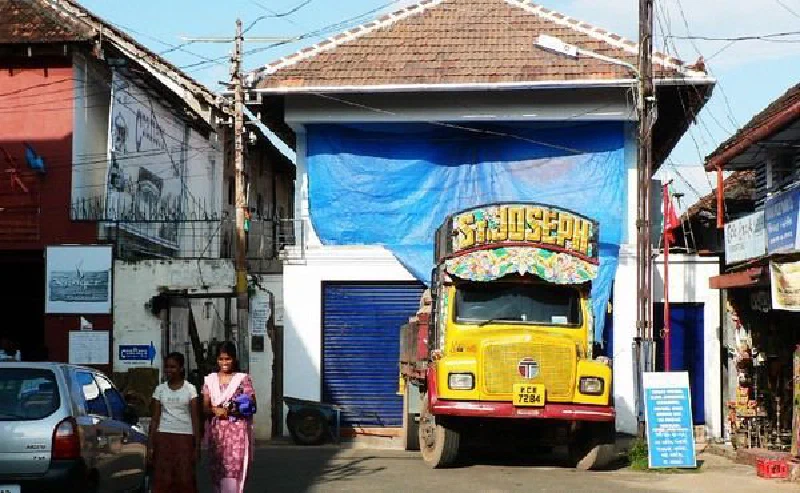
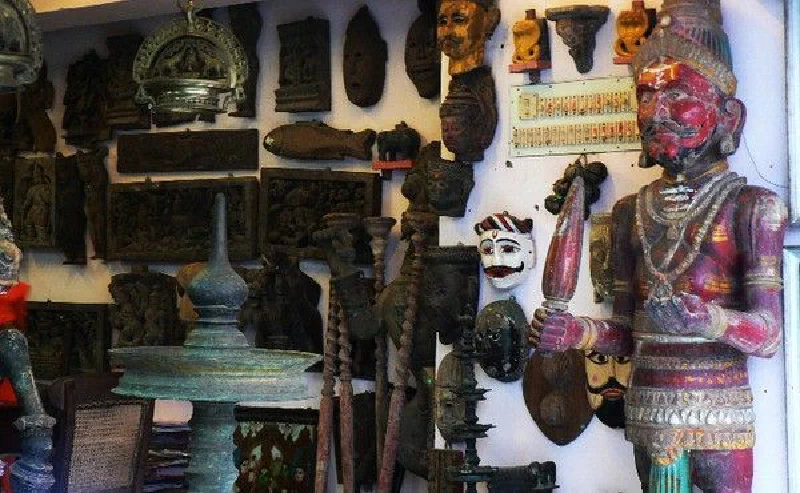
Exploring Fort Cochin is best done by a leisurely walk. The spirit of the Portuguese, the Dutch and the British lingers on in the narrow streets and the architecture of the houses and monuments. Several quaint shops, cafes and boutique hotels line the streets, and make for interesting points to stop and take in the flavor of the area.St Francis Church
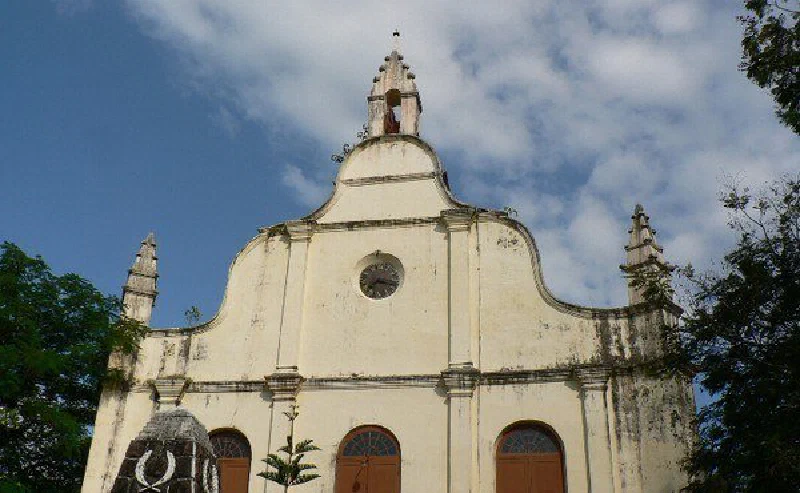
The Church, dedicated to St. Francis, was the first European Church to be built in India. Built in 1503 by Portuguese Franciscan friars, it was restored in 1779 by the Protestant Dutch, converted to an Anglican Church by the British in 1795 and it at present governed by the Church of South India! Vasco da Gama was buried here in 1524 before his remains were moved to Lisbon, Portugal. The tombstone still remains.Chinese Fishing Nets/Vasco da Gama Square
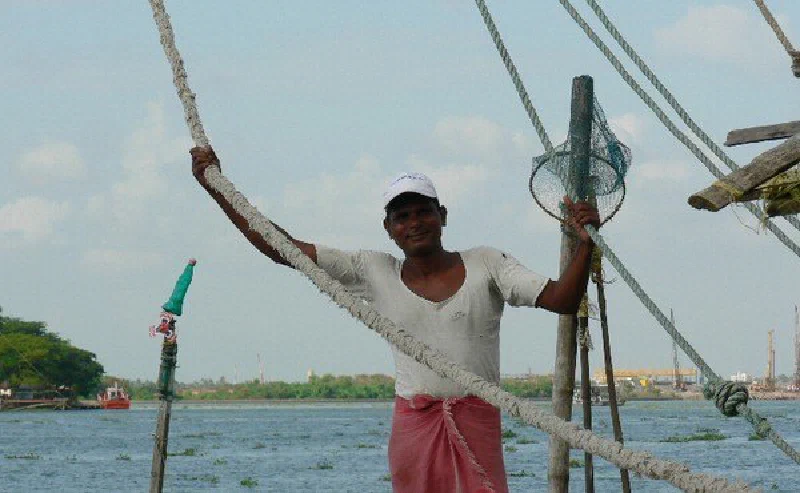
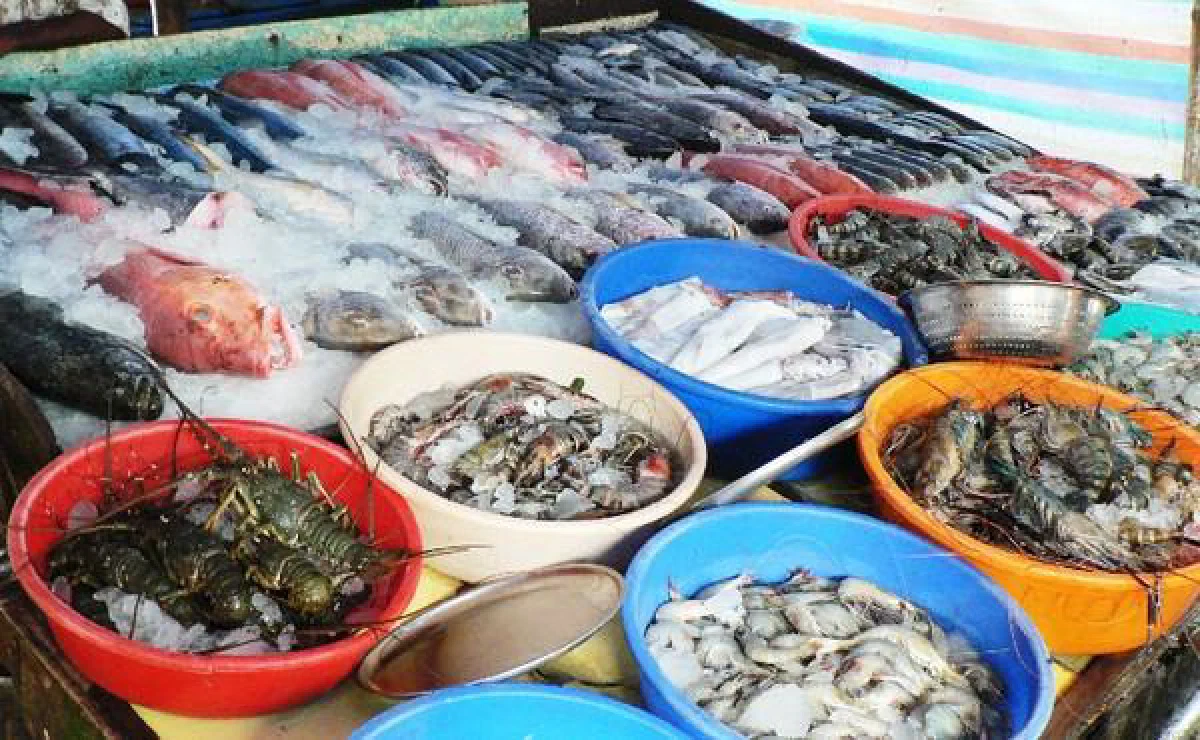
Up on the shore facing Vypeen Island stand the famed Chinese fishing nets, introduced by the earliest recorded visitors, traders from the court of Kublai Khan in the years between 1350 and 1450 A.D. Watching these cantilevered wonders is like watching a mechanical performance, with choreographed grace of lowering of the nets throughout the day from the Vasco De Gama square. Afterwards, you can snack on some freshly caught fish cooked to your taste at one of the many stalls at the waterfront.Jewish Synagogue
Constructed in 1568, this is the oldest synagogue in the Commonwealth. Destroyed in a shelling during the Portuguese raid in 1662, it was rebuilt two years later by the Dutch. The Jewish community, which dominated the area, is sadly reduced to a mere handful of people - the others left for Israel.The beautifully maintained Synagogue has an upstairs gallery for women, Chinese willow-pattern floor tiles, 19th-century Belgium chandeliers and beautiful interlocking benches.