Aurangabad
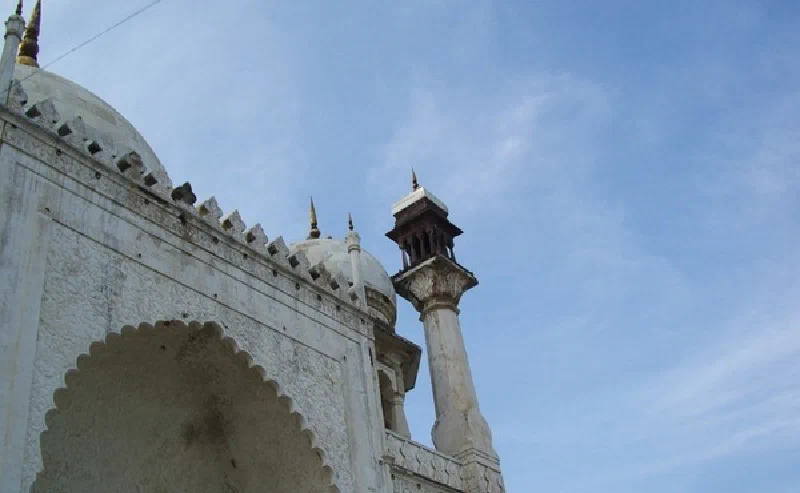
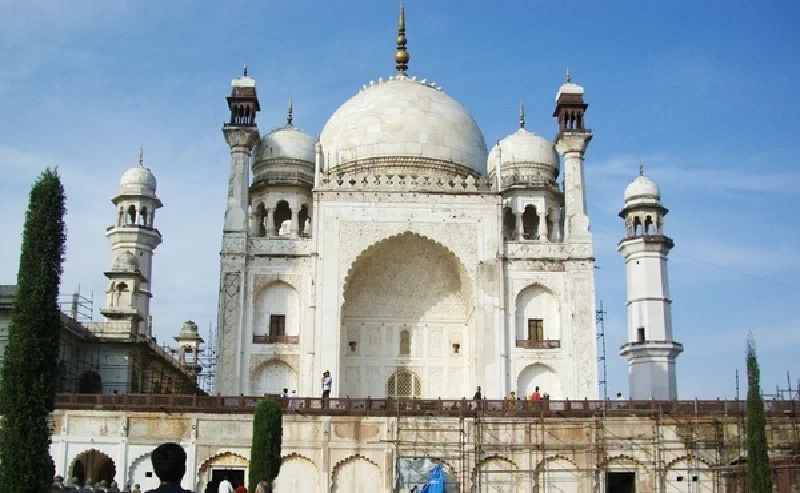
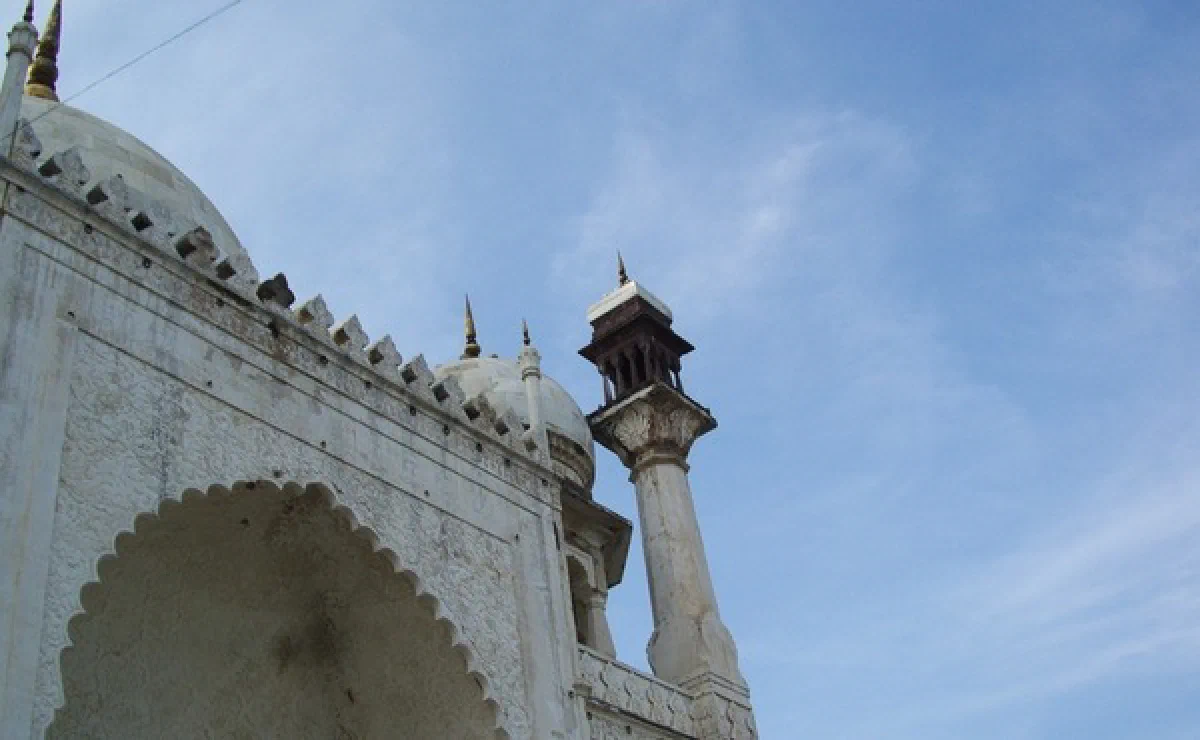
Built in 1679 A.D. by Aurangzeb's son as a mausoleum to his mother, the Bibi-Ka-Maqbara is the finest example of Mughal architecture in the Deccan plateau. Modelled on the Taj Mahal, which was completed 25 years earlier, it is about half its size.Ajanta
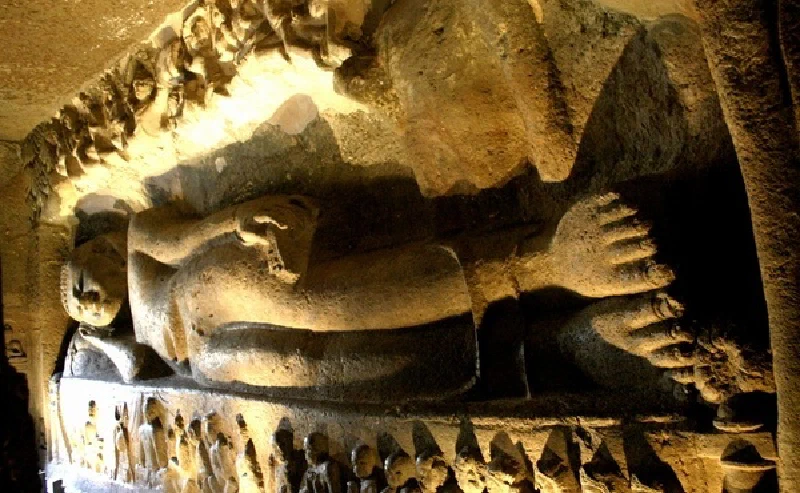
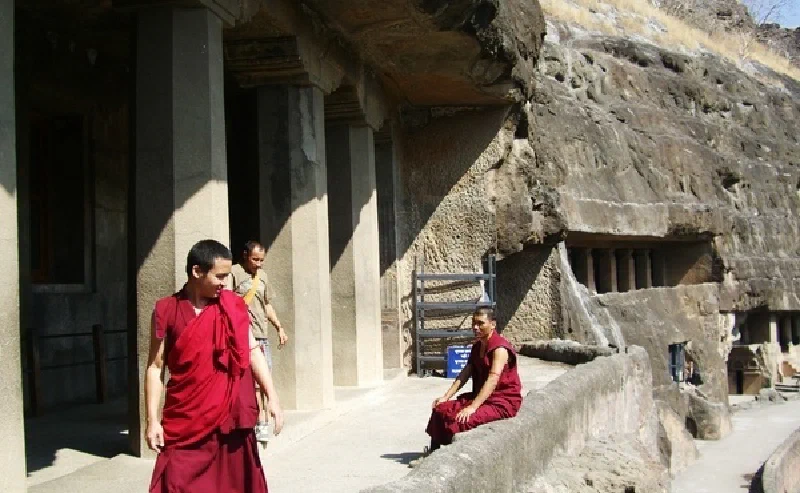
The Ajanta Caves (2nd century B.C. till 650 A.D.) reflect the peak of ancient Indian art and architecture. The caves were cut in rocky cliffs above a horseshoe shaped valley to provide prayer halls and places of residence for Buddhist monks. Craft workers cut out the rock and sculpted it whilst others made beautiful murals depicting places, royalty, culture and tales of everyday life in ancient India.As Buddhism gradually declined, the Ajanta caves were abandoned and eventually forgotten. It was only as recently as the 19th century that a party of British officers discovered the Ajanta caves. Their isolation contributed to the fine state of preservation of the remarkable paintings.
Ajanta remains closed on Mondays.
Ellora
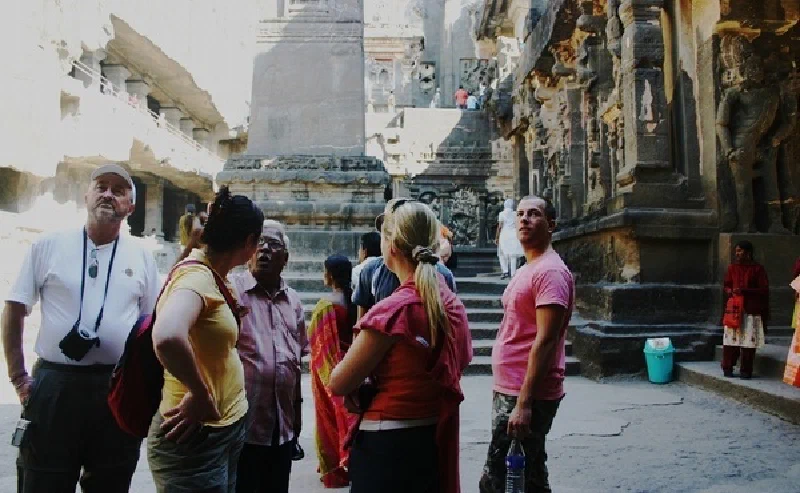
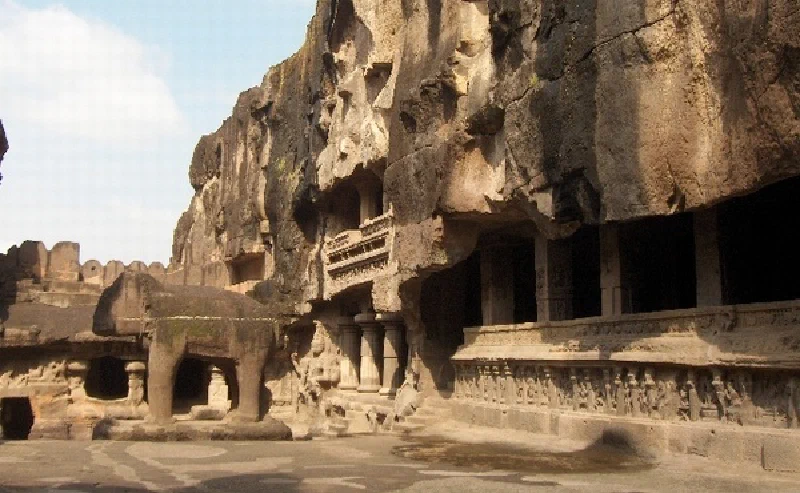
Artists worked at the cave site of Ellora, 30 km from Aurangabad, from the sixth century A.D. till about 1000 A.D. They created Buddhist, Hindu, and Jain caves next to each other.The masterpiece at Ellora is the astonishing Kailasa temple dedicated to the Hindu god Shiva. It is the world’s largest monolithic sculpture, carved out of one single rock cliff by 7000 labourers over a 150 year period. The workers started at the top and gradually cut downward, an amazing feat of architecture with no room for improvisation or error!
Ellora remains closed on Tuesdays.