Shillong
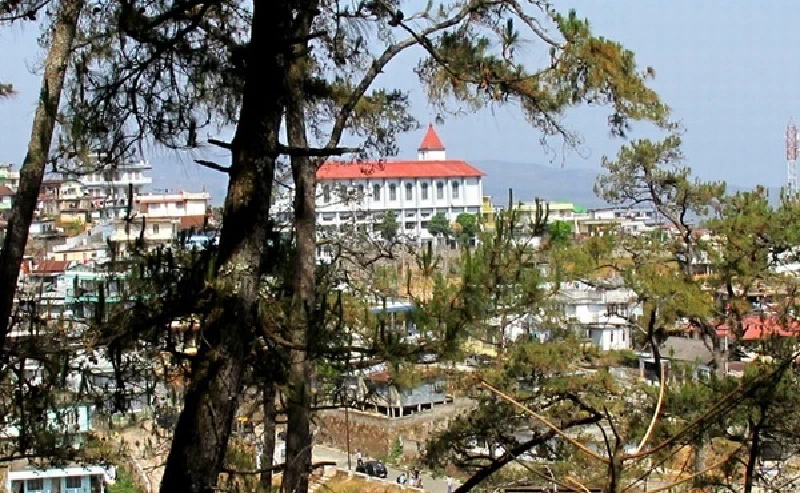
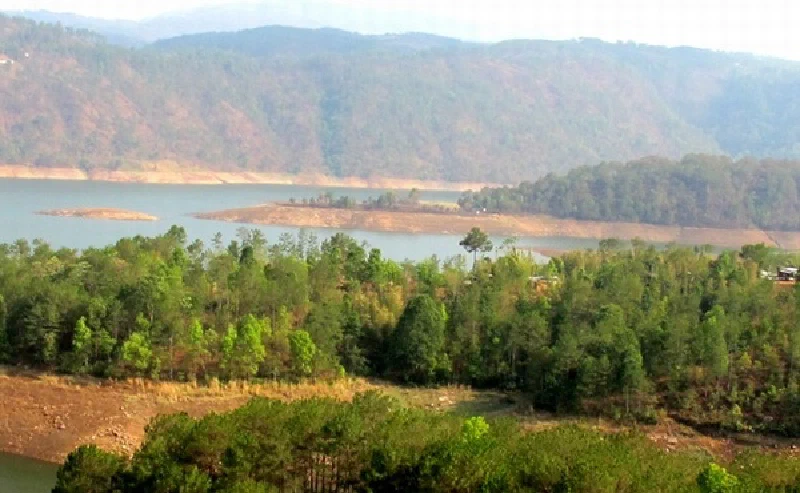
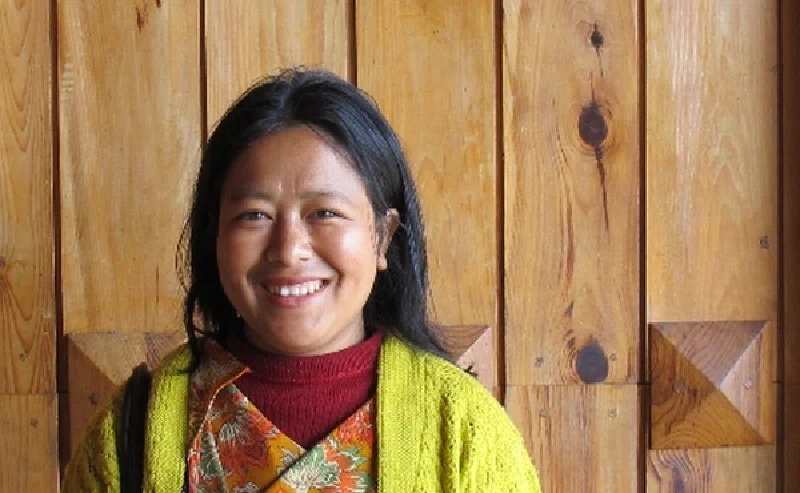
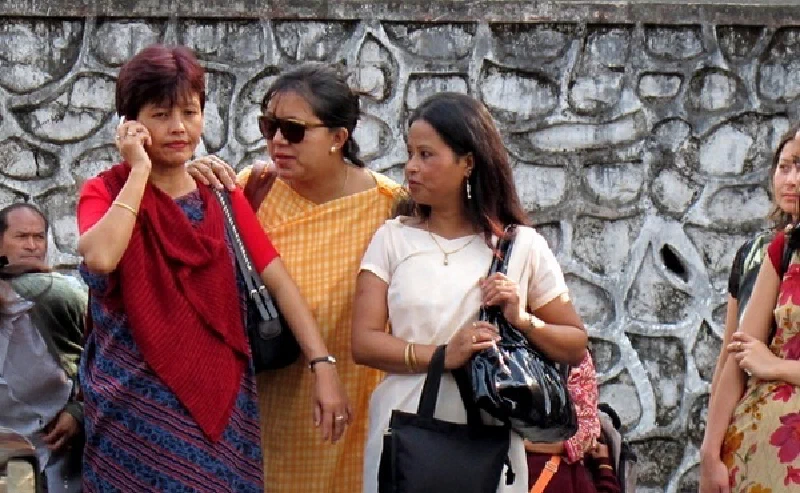
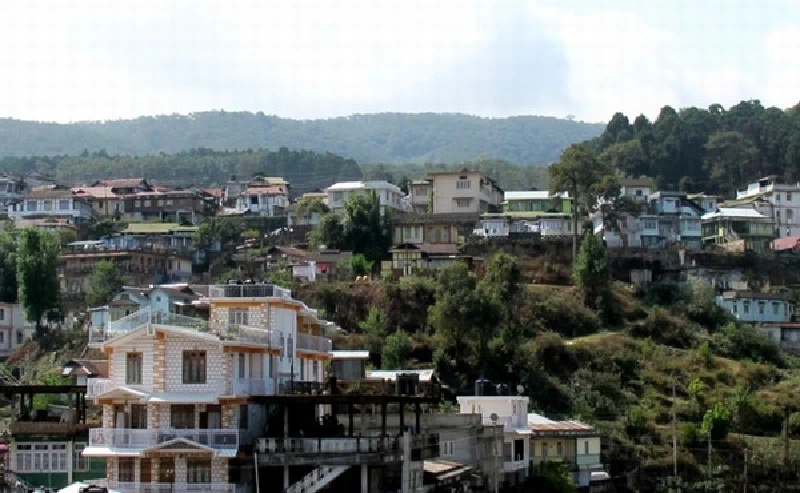
This charming hill station is the capital of Meghalaya (meaning the home of clouds). Due to its cool climate and safe location above the Brahmaputra, Shillong was formerly the capital of the North-East. The state of Meghalaya was carved out of Assam in 1972 when the capital of Assam was shifted to Dispur and Shillong remained the capital of Meghalaya.Shillong and the surrounding Jaintia hills are home to Khasi tribe. Known for their beautiful people, Khasis follow a matrilineal system, where the property is carried down through the mother to the daughters and where married women keep their maiden names. In fact, the married male often takes his wife’s name!
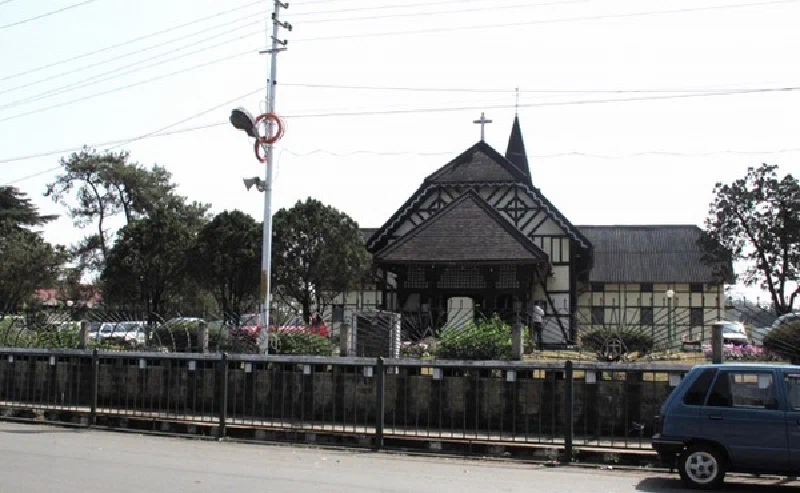
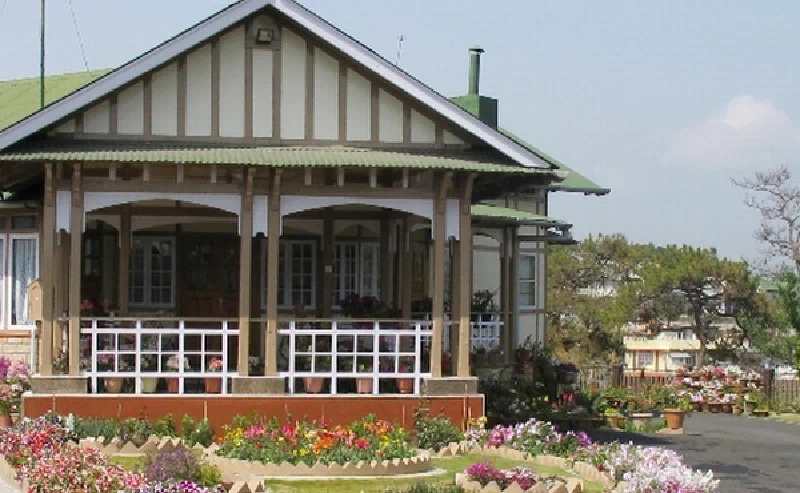
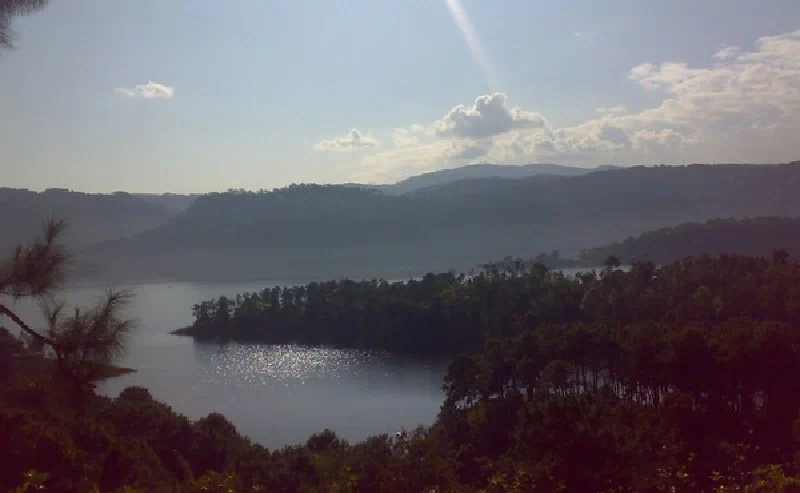
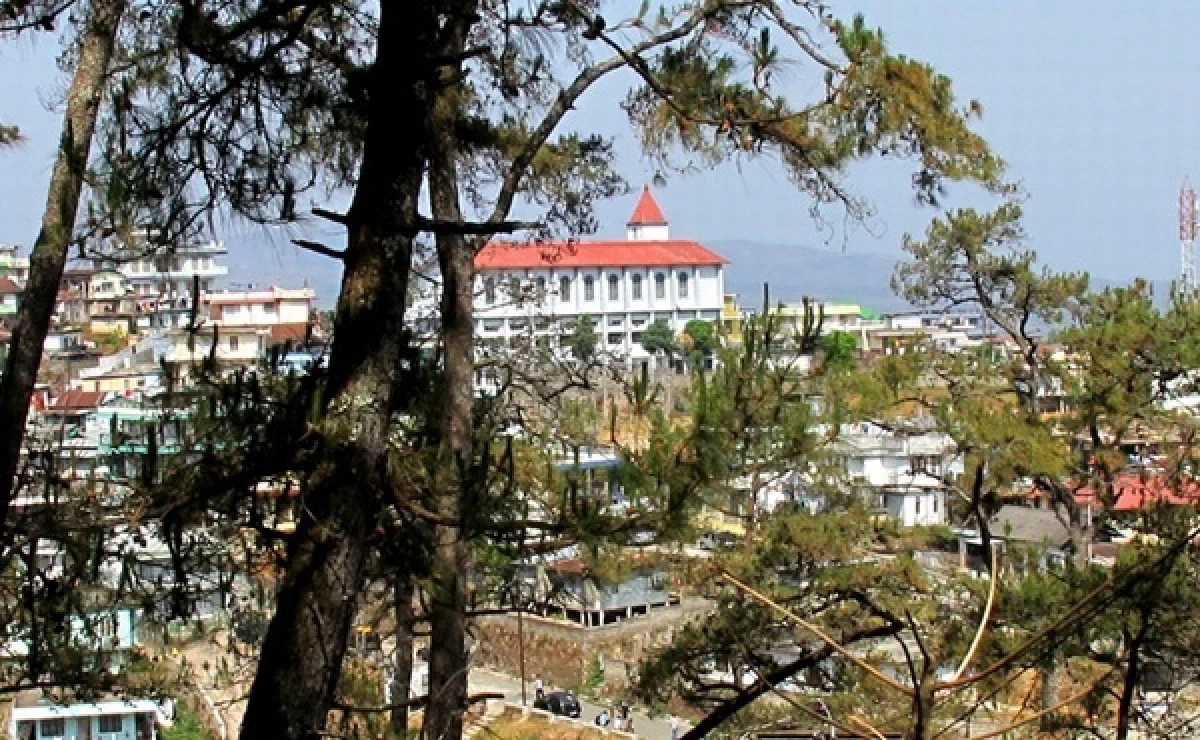
During the period of the Raj, the British and rich Bengalis built cottages, a golf course and polo grounds in Shillong. Colonial Shillong was ranged around the attractive Ward’s Lake. Unfortunately, the city’s once-famous half-timbered architecture has largely been replaced by drab concrete but areas like Oakland retain many older houses, and even in the centre a few gems remain such as the All Saint’s Cathedral.
Shillong has a vast bustling market, Bara Bazaar, where thousands of Khasi tribespeople flock in from their villages selling everything from gold jewellery, spices to textiles. The market is dominated by Khasi women, who run most of the stalls. These cheerful matriarchs can drive a hard bargain.
The Police Bazaar is like a Mall road in many other hill stations in the evenings. There are food stalls by the dozen, shops selling an amazing number of things and the whole atmosphere is quite energetic.
Shillong is the main centre of education in the 7 north-eastern states and as a result has a large student population which gives the town a young and buzzing feel. Shillong is very fond of pop and rock music and weekends see many rock bands playing at various venues.
Apart from the centre, post-colonial Shillong hasn’t worn well. Haphazard growth and deforestation of the surrounding hills have led to an acute water shortage in a state which has maximum rainfall. An increase in cars leads nowadays to regular traffic jams on the narrow roads. Migration has created intense communal pressures over the years with the Kasi population reacting with hostility to the influx of Bengalis and other outside groups. In spite of all this, Shillong is still a delightful city and a visit to the North-East won’t be really complete without it.
Cherrapunjee
The road to Cherrapunjee through the East Khasi Hills winds through dense pine and oak forests, full of ferns and orchids. En route are dramaric gorges and ravines, eaterfalls and limestone caves.Along the way you may see some plateaus dotted with stone megaliths. These commemorate some good people for their works in the community or some special achievements. The road also passes through a quaint village called ’the village of small people'.
Cheerapunjee is one of the wettest places on earth. It continues to record an average rainfall of 1,143 cm in the monsoon months July to September. Rain and fog are constant here and give the place a certain melancholy beauty. And when the sun actually comes out, it is worth the effort to come here as the incredible scenery is revealed.
Cherrapunjee and its surroundings also have curious living bridges'. Living ficus elastica tree-roots, a rubber tree with its strong aerial roots, are bent and guided ingeneously across a stream/river and in a span of ten to fifteen years the bridge is ready to cross!. across a narrow stream to form a bridge to cross it. These Tolkienesque root-bridges’ can last a long time and are incredibly sturdy.
It is worthwhile to descend 14 km down the narrow road to Mashamok for views back up to the falls and cliffs. Few places in the North East are more scenic.
The Nongkrem Dance Festival in the Khasi Hills
Nongkrem Dance is a religious festival in thanksgiving to God for good harvest, peace and prosperity of the community. It is held annually during October/ November, at Smit, the capital of the Khyrim Syiemship near Shillong.The dance is performed in the open by young virgins and men, both bachelors and married. The women dressed in expensive silk costumes with heavy gold, silver and coral ornaments dance in the inner circle of the arena. The men form an outer circle and dance to the accompaniment of music of flutes and drums. An important feature of the festival is the ‘Pomblang’ or goat sacrifice offered by the subjects to the Syiem of Khyrim, the administrative head of the Hima (Khasi State). Ka Syiem Sad, the eldest sister of the king is the chief priest and caretaker of all ceremonies. The festival is conducted alongwith the Myntries (Ministers), priests and high priest where offerings are made to ancestors of the ruling clan and the deity of Shillong.