Mon
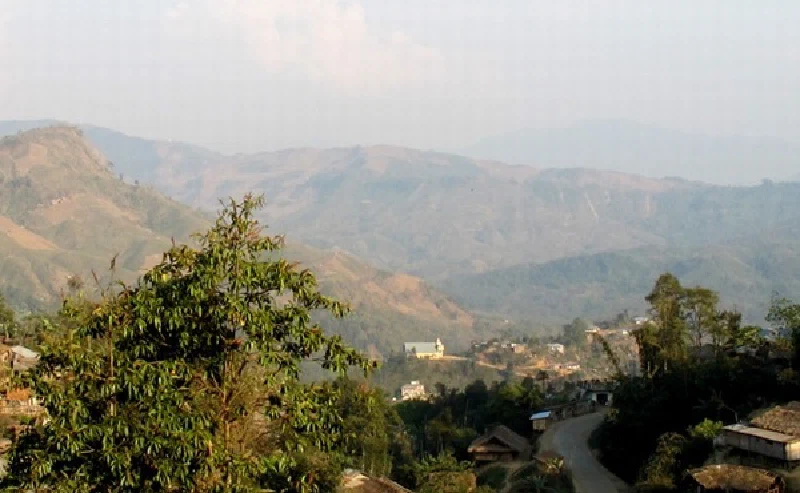
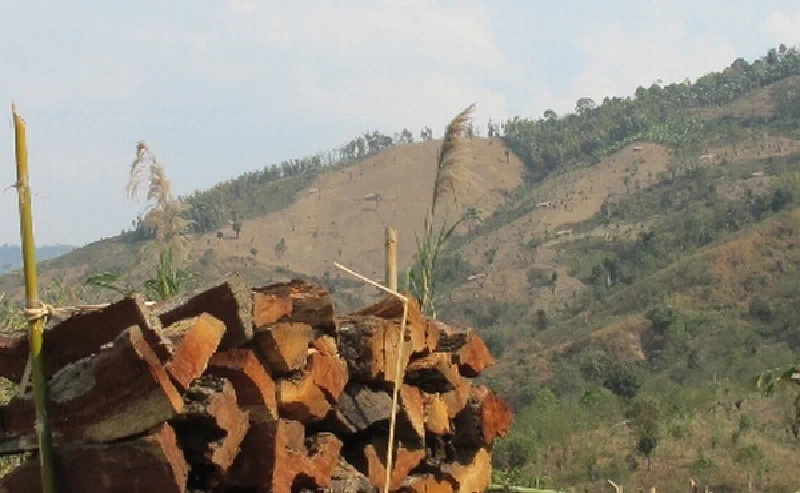
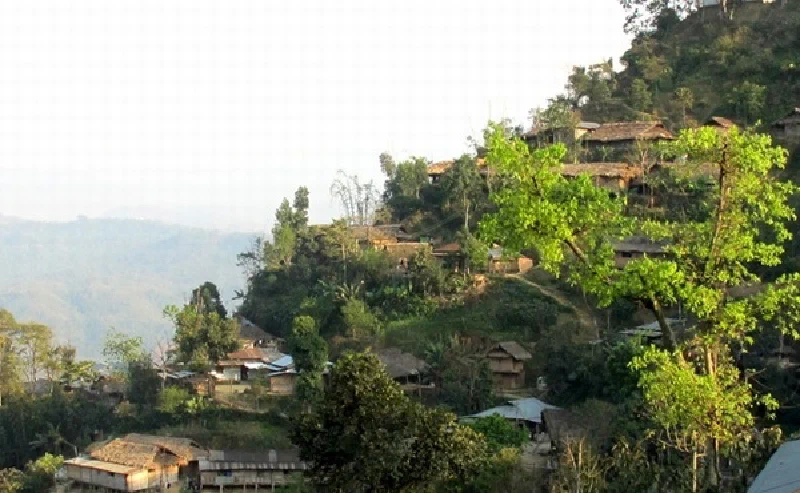
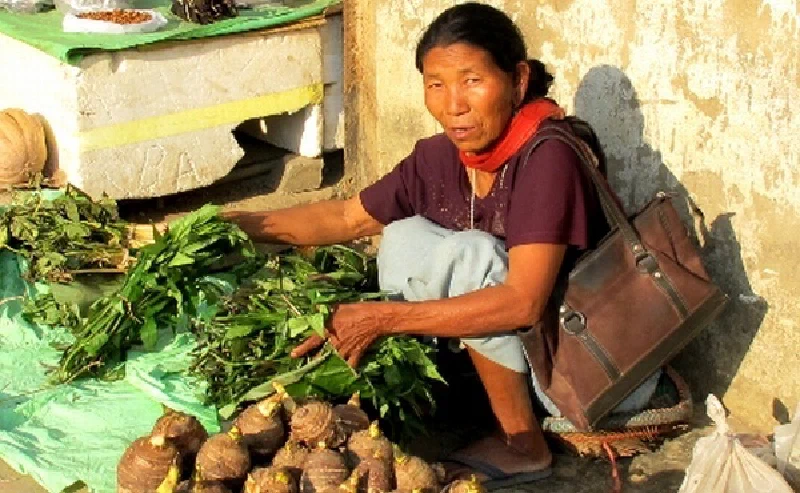
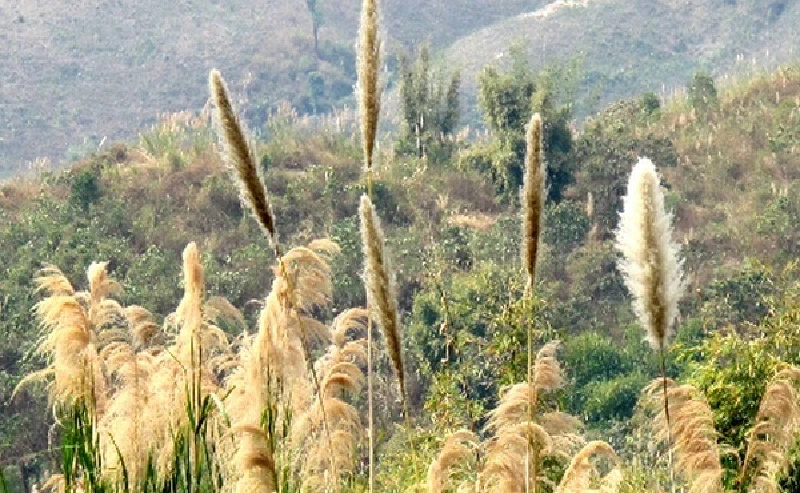
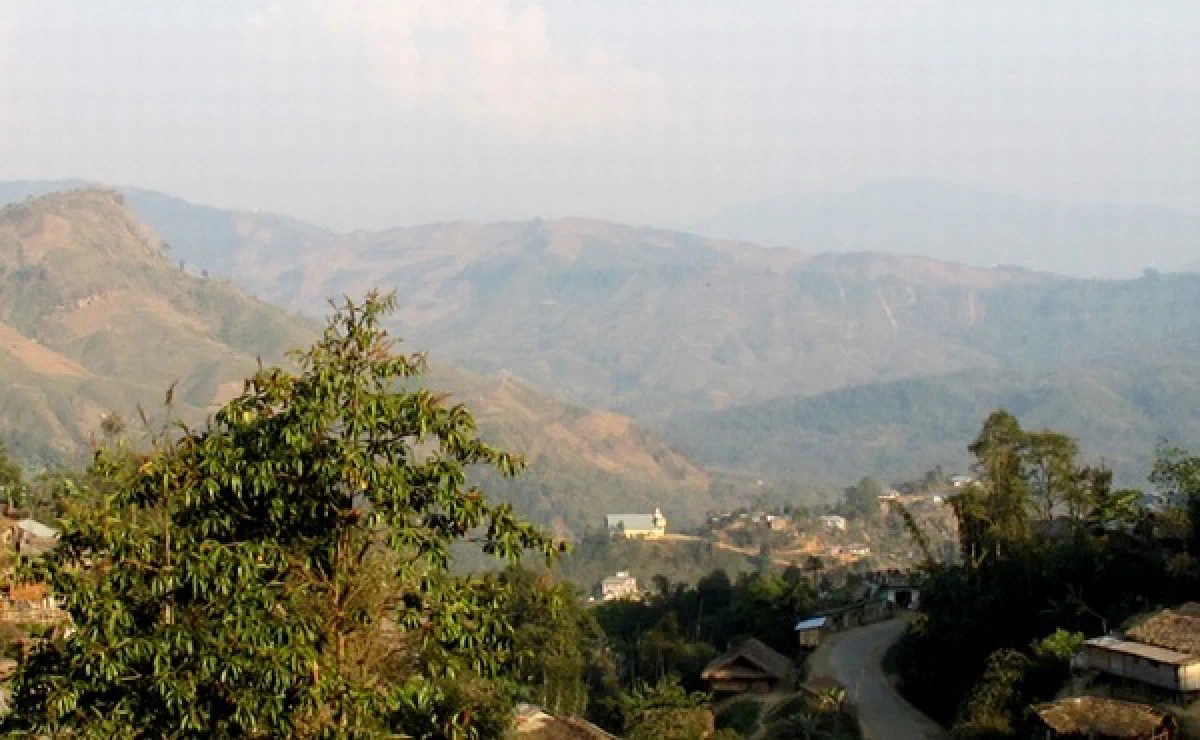
The drive from Dibrugarh to Mon is not for the faint-hearted. The road changes from monotonous concrete to a tyer-marked trail. The road from Mon down to Wakching is excellent but the short-cut from here to Mokokchung is again only for those with a thirst for adventure.The town of Mon is located in a broad valley of the northern Naga hills. Mon is a new town, having come into being just about 40 years ago to create a district headquarter. Since this is the biggest town in this part of Nagaland, traders and small producers congregate here selling river fish, vegetables and herbs.
Mon is a fairly un-remarkable town without a true centre. The one large open space here is the stadium which is also the venue for the annual festivals. Roads in dire need of repair wind around seemingly aimlessly. There are no buildings of particular interest apart from the few churches which stand out, taller than the rest.
Mon also has very few decent places to stay. The two government tourist bungalows can provide adequate if not too comfortable places to stay, when functional. The only `restaurant’ we found, didn’t seem to have a name, but did offer some simple fare including hot momos and plate of noodles. Beware in Mon, the trade comes to an end by about 5 pm. Yes, that includes the restaurant.
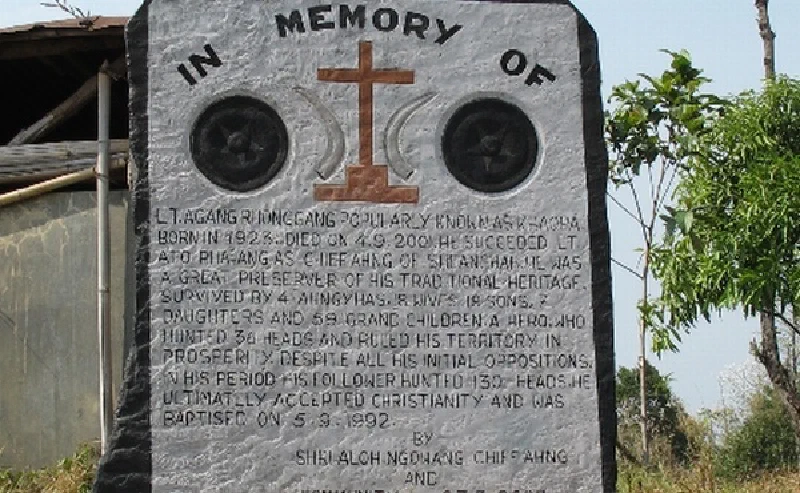
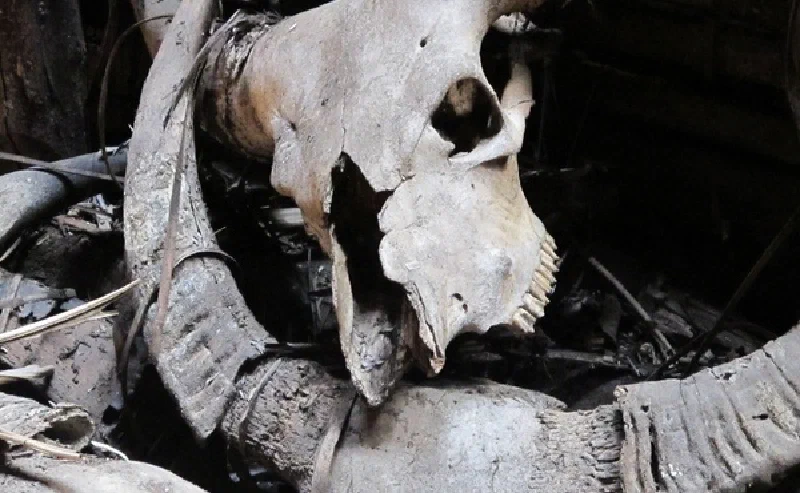
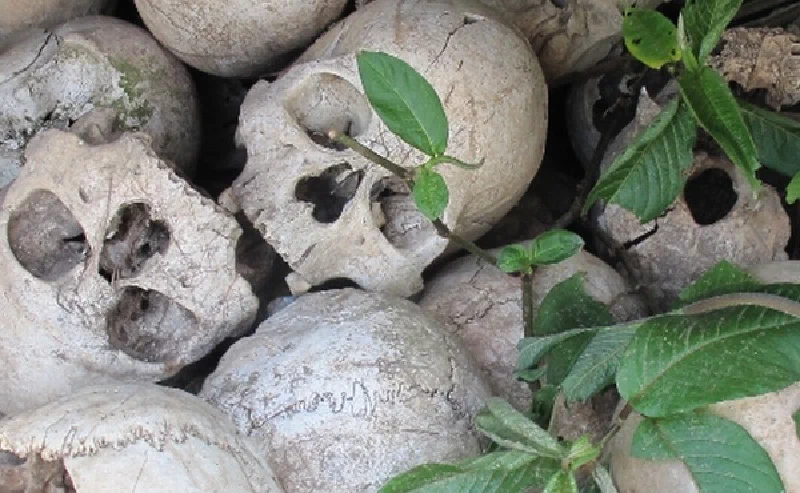
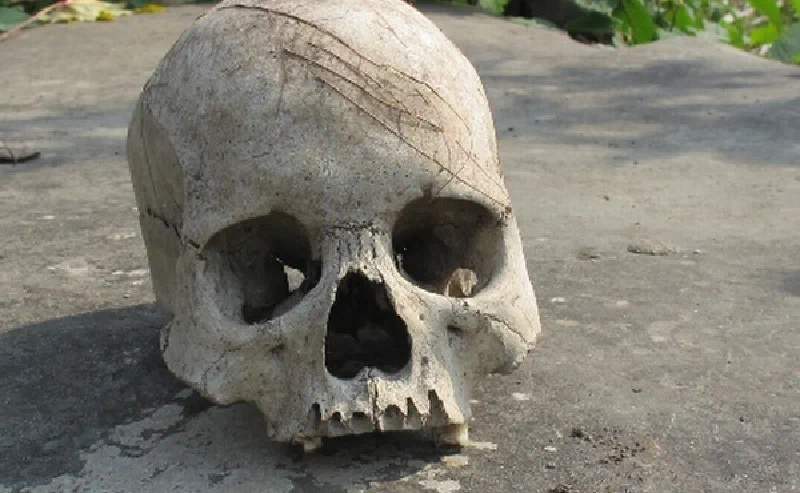
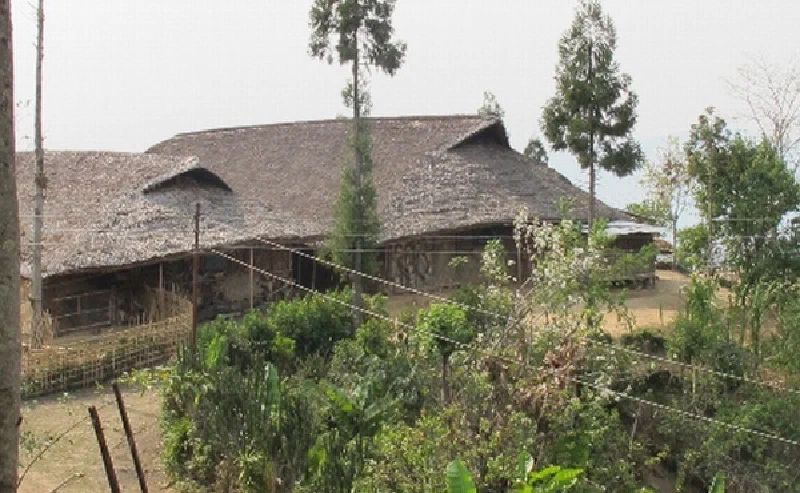
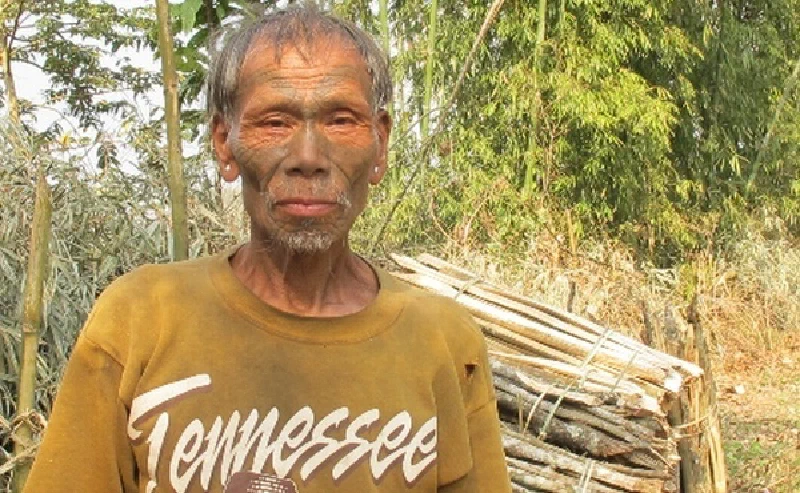
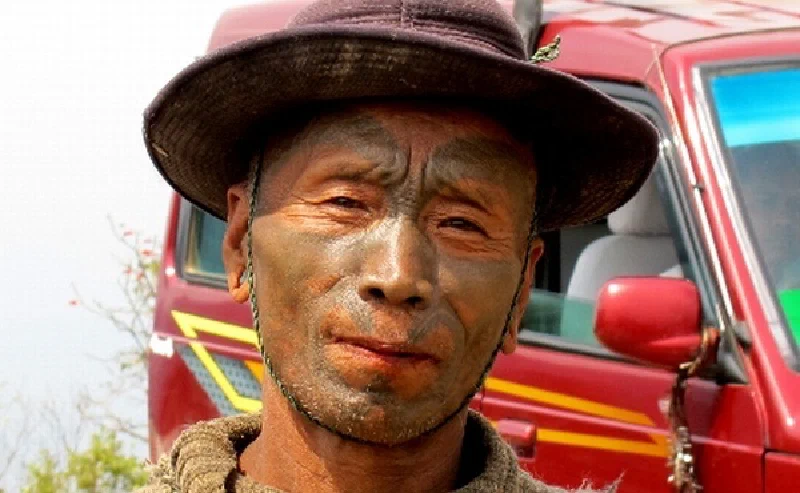
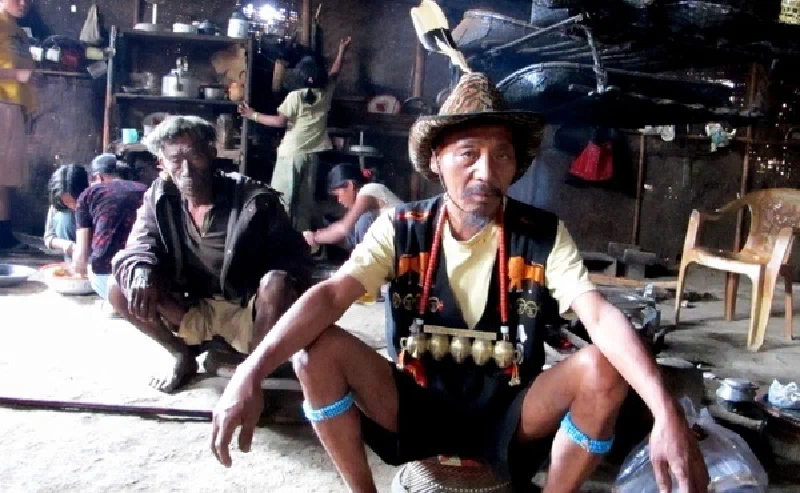
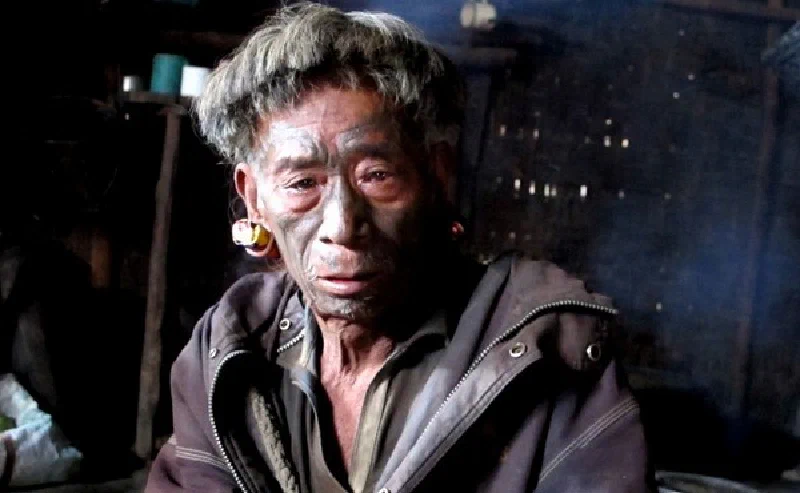
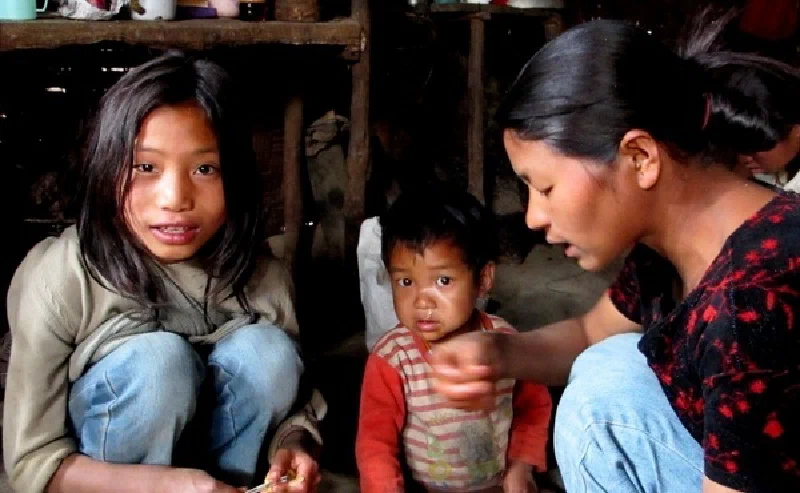
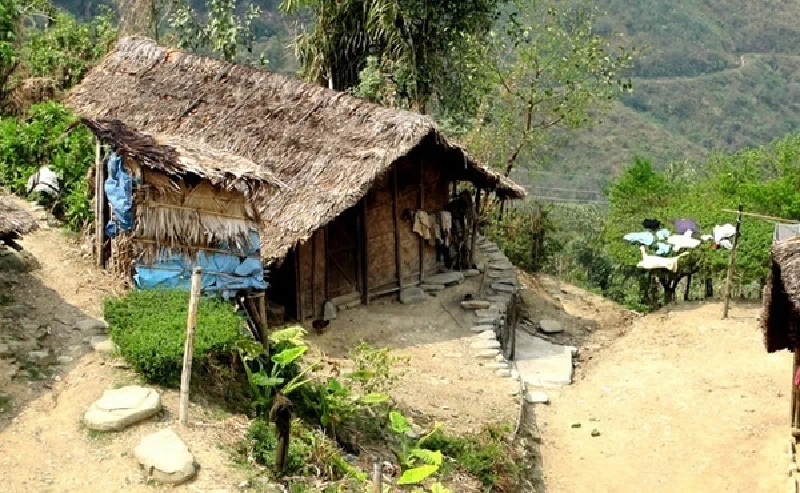
Despite the serious lack of accommodation options, Mon is the best base from which to see some of the most interesting tribes in Nagaland. Mon district is the land of the Konyak tribes and in remote villages you may still be able to admire the former head hunters with their tattooed faces ears pierced with horns. Konyaks are still ruled by heredetary chiefs known as Angh. As an outside visitor you normally need permission from the local Angh to visit a village and a fee may be charged for this.
If you visit Mon during the beginning of April, you’ll be able to witness Konyaks all over Mon celebrating the Aoleong Monyu festival. Undertaken to welcome spring and pray for bountiful harvests, this happy week-long festival has plenty of feasting and sacrifices to appease the divine forces that watch over the farms.