Painted Havelis
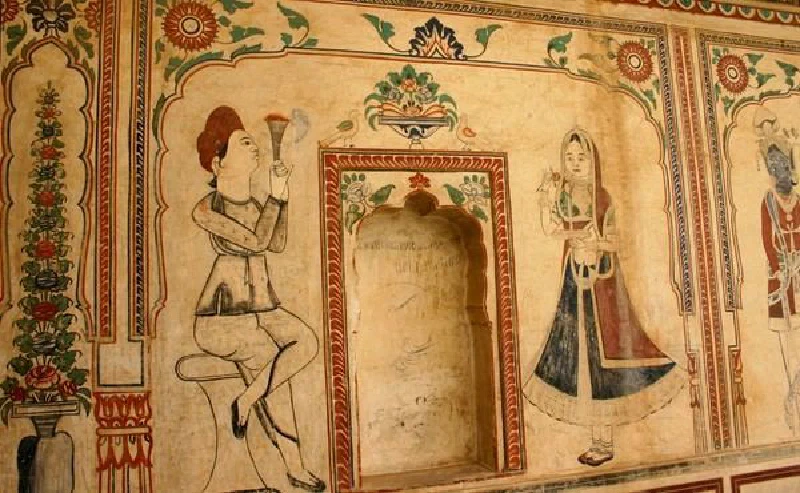
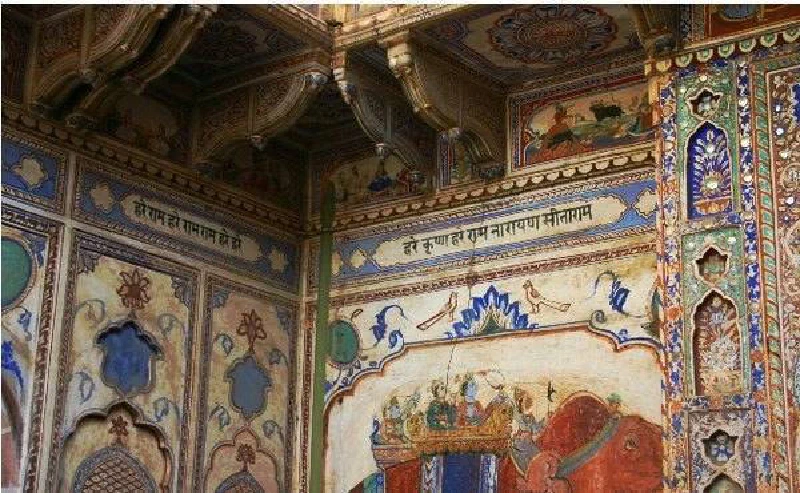
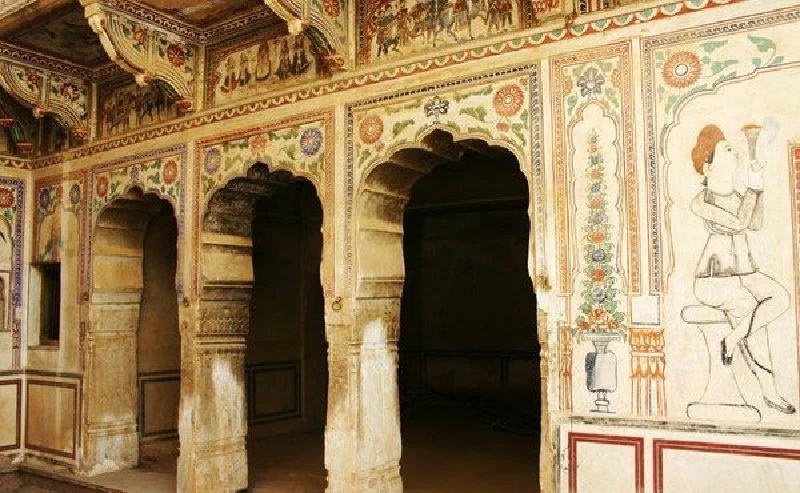
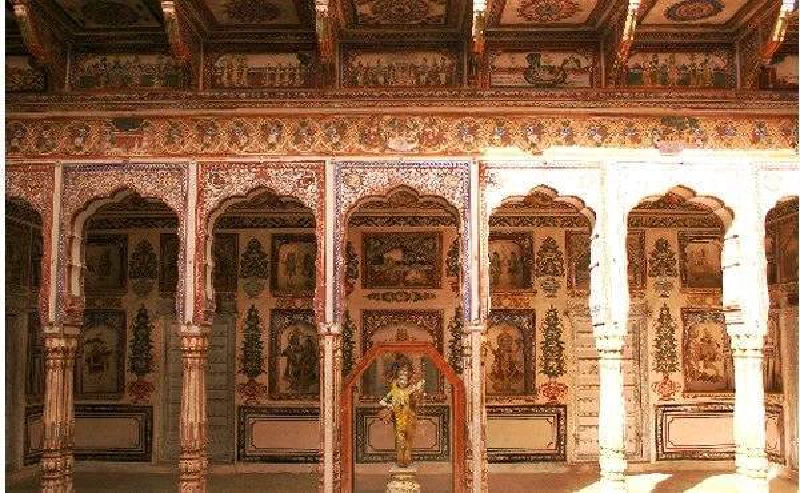
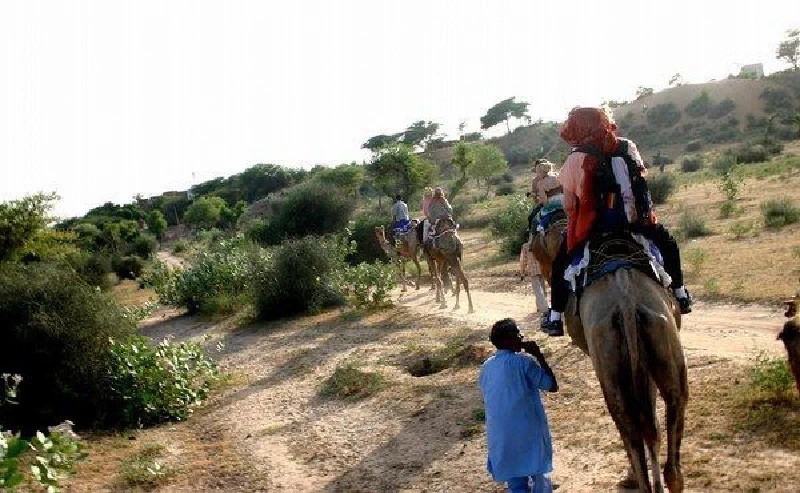
A dry and arid region bordering the Thar desert, Shekhavati nonetheless played a very important part in the camel trade from central Asia to the east. Camel caravans would stop here for shelter and well-earned rest. The smart trading community here exploited opportunities this opened up and in turn became prosperous. To date, some of the major trading families control a substantial part of the Indian economy.For themselves, in their home towns, these traders created impressive havelis. Maybe to compensate for the dry and colourless region, they decorated their havelis with grand frescoes and murals. The tradition of fresco paintings gave patronage to thousands of artists. There was an unspoken competition between the merchants to have more opulent, more intricate carvings.
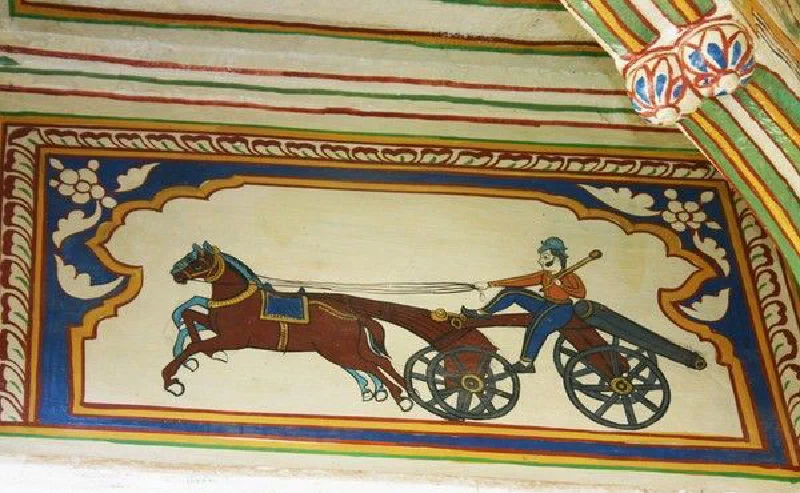
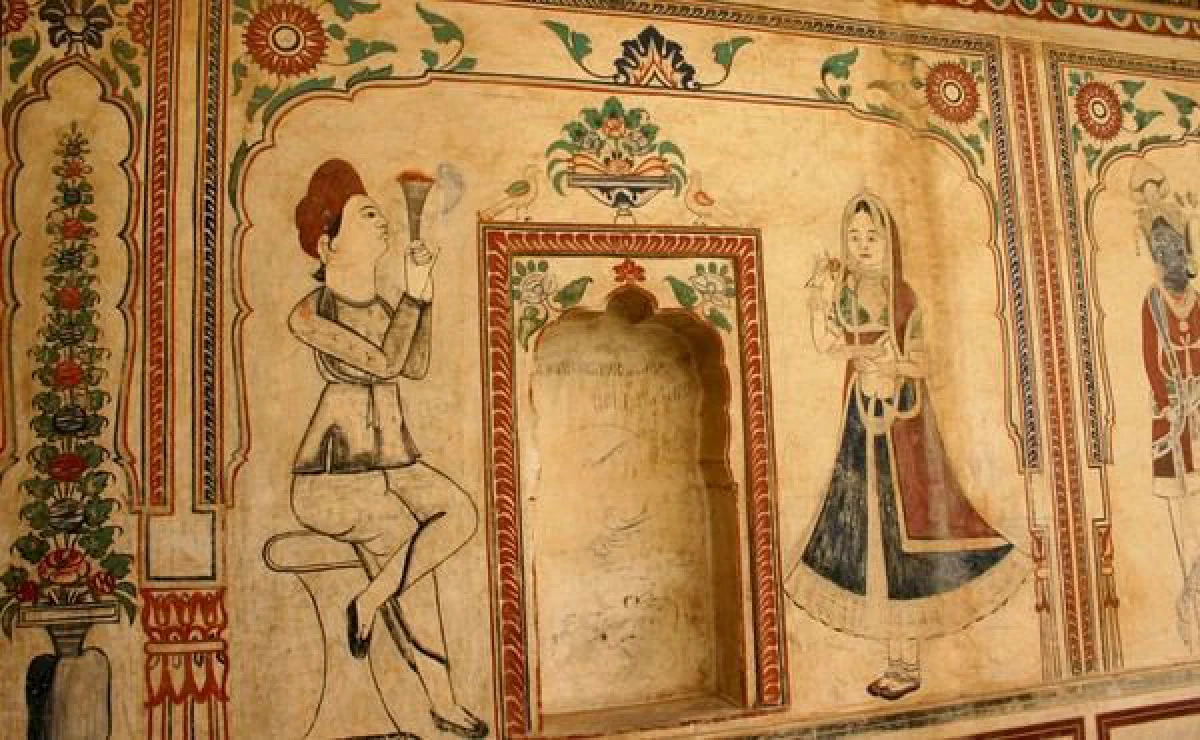
Popular themes in the frescoes are scenes from the life of gods like Krishna and stories from Ramayana and Mahabharata. The increasing contact with the western world resulted in some fanciful paintings: Gods riding cars, airplanes, trains, soldiers, even the British Queen and her entourage!
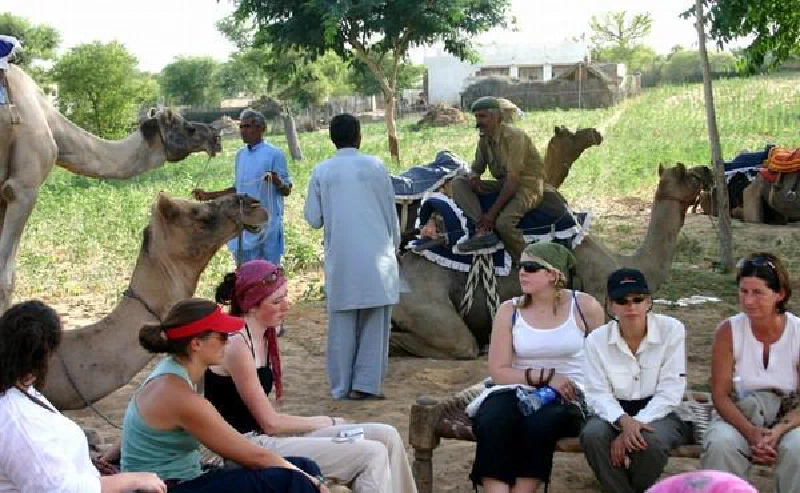
The Suez Canal made the silk route redundant and the many traders moved on to fresher markets like Bombay and Calcutta. For years, the havelis lay in disuse, and it is only in the last two decades, since the arrival of tourists, that interest in this deserted area has been revived.
The main towns of Shekhawati are Sikar, Nawalgarh, Dunlod, Mandawa, Jhunjhunu and Fatehpur but some of the earliest painted havelis are found in the town of Mandawa. The Saraf, Chokhani and Goenka Havelis are especially worth visiting. Shekhawati is a photographer’s delight.