Ruins of ancient monasteries and stupas
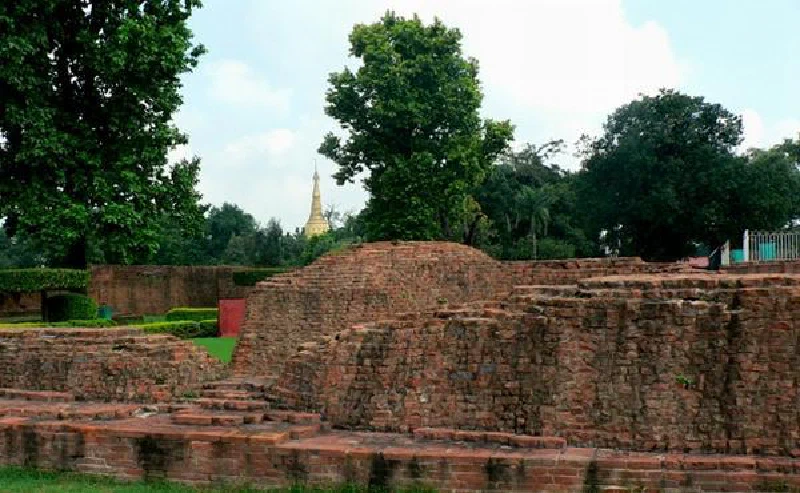
Kushinagar is the place where Buddha achieved nirvana, and departed from the earth.Monasteries established in Kushinagar after the Buddha’s death flourished until the 13th century. Many of the ruined stupas and monasteries at Kushinagar date back to 3rd century BC to the 5th century AD when prosperity was at its peak. The Mauryan emperor Ashoka is known to have contributed to significant construction at this site.
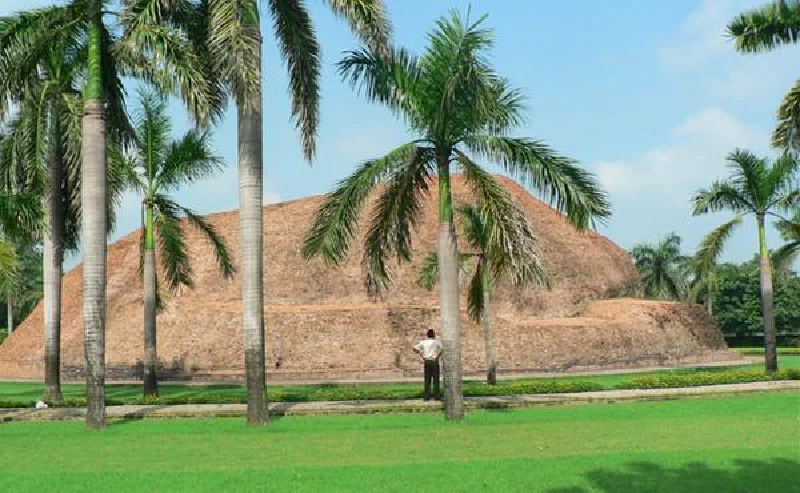
Prior to its rediscovery in the nineteenth century, there was a silence of more than half a millennium at Kushinagar. Due possibly to violent invasions, Kushinagar lost its vitality and eventually was neglected. The notable Buddha Temple, when rediscovered, was covered in a 40 foot high mound of bricks surrounded by a dense thorny forest. Excavations began in the late 1800s and many important remnants of the main site were unveiled.
This is the place where Buddha achieved nirvana, and departed from the earth.
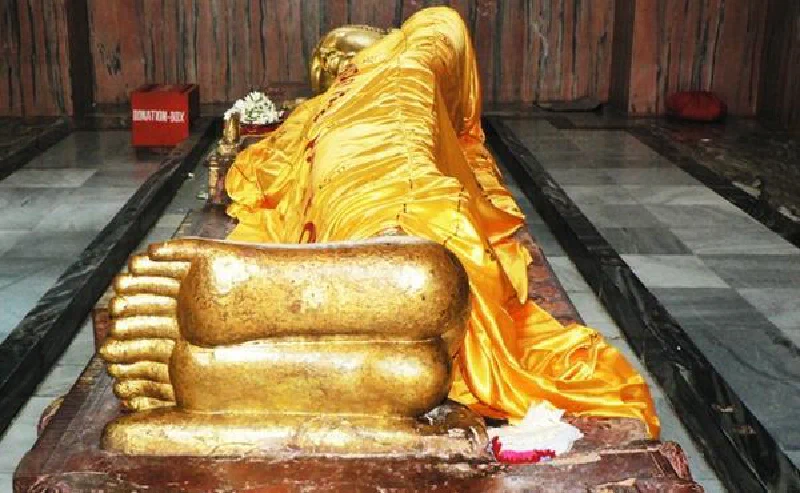
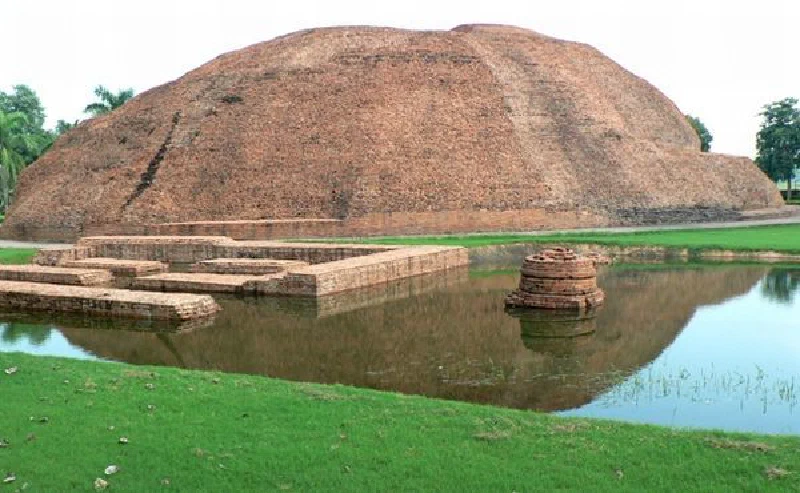
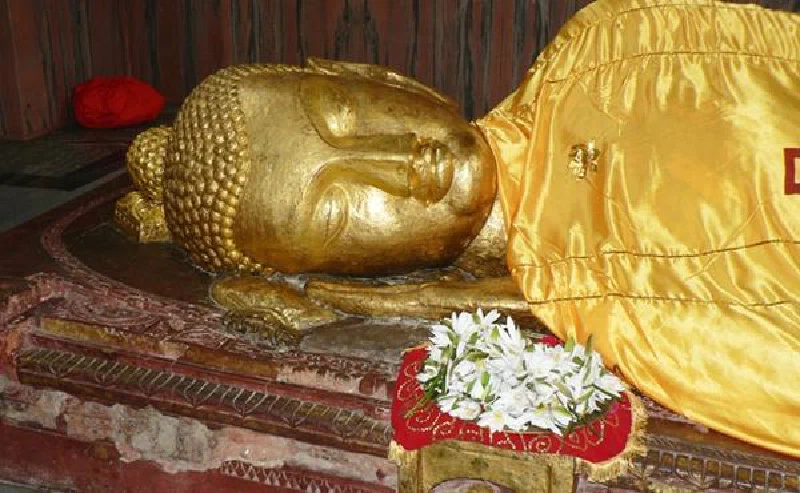
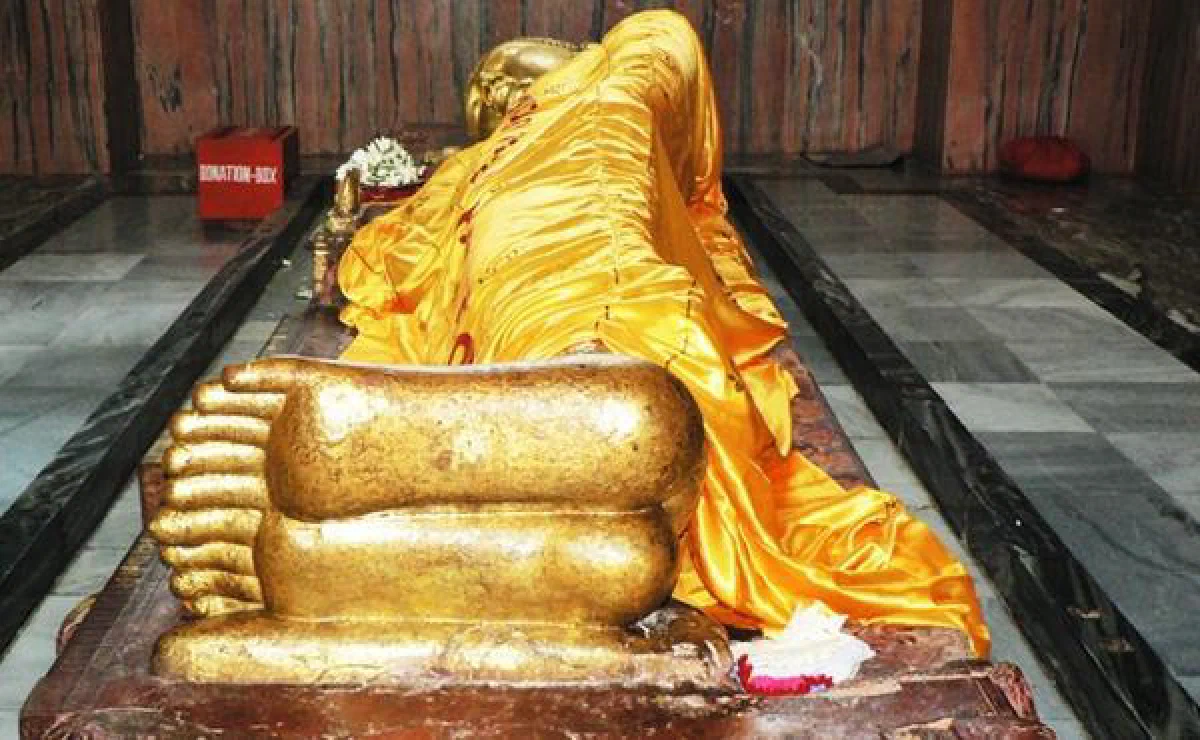
The main complex contains the newly constructed Nirvava Temple, which contains a large Reclining Buddha statue. Behind this is a platform which marks the exact spot where he took his last breath, surrounded by the ruins of several monasteries. Nearby is a temple, Madha Kuar, built to mark the place where Buddha ate his last meal. Finally, the Ramabhar Stupa, a kilometer away, marks the place where Buddha’s ashes were cremated.
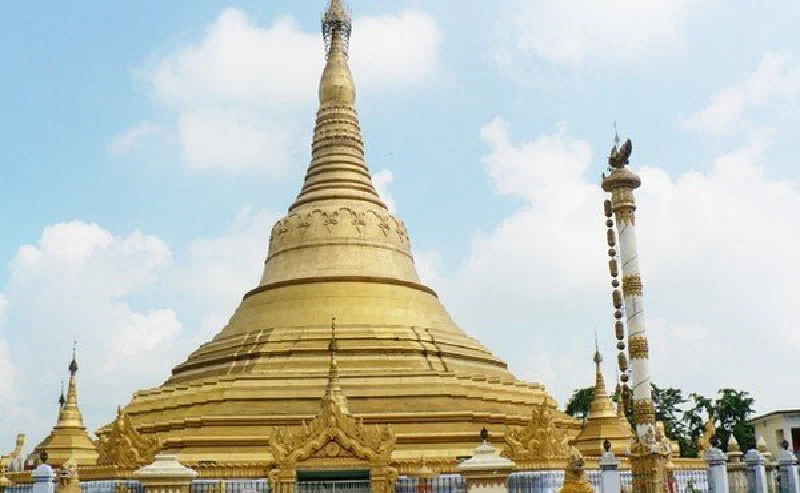
Today, Kushinagar is a very peaceful place, best explored on foot. There are many temples and monasteries constructed by the various Buddhist countries - the Burmese Pagoda is especially attractive.