Lucknow
Lucknow, the capital of Uttar Pradesh, extends along the banks of the River Gomti.The city, known earlier as Awadh, rapidly developed under the Mughal Emperor Akbar’s patronage in the 16th century and became known as a centre for Urdu poetry and courtly diction.
The British appropriation of Awadh and the deposition of the Nawab was said to be the flash point which led to the “Mutiny” in 1857. The ‘British Residency’, which was under attack by shells and bullets for weeks, is a forlorn monument today.
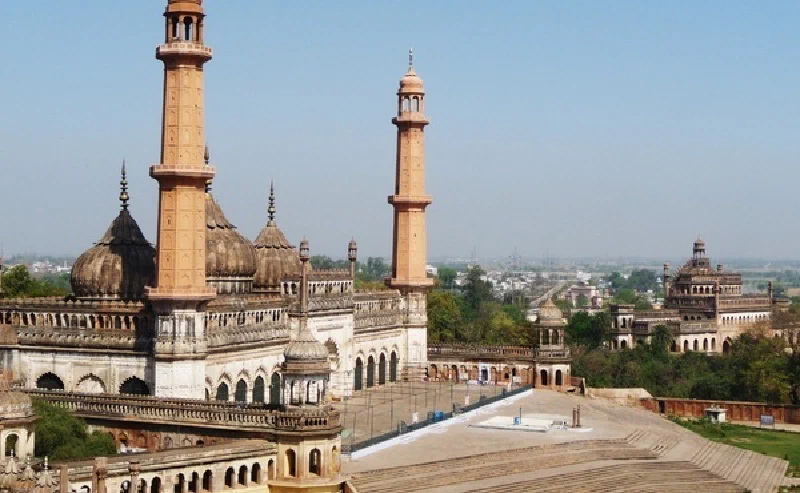
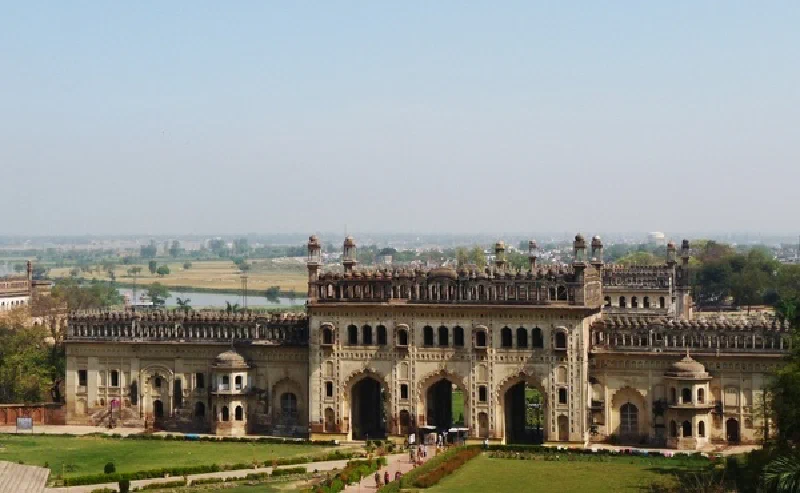
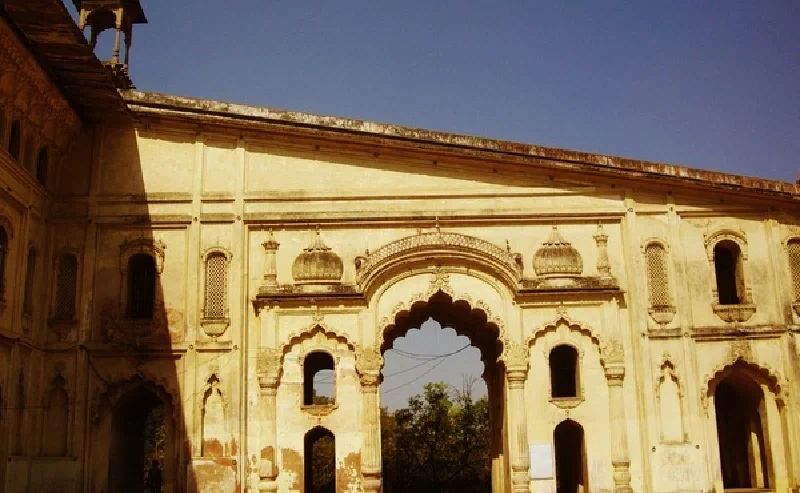
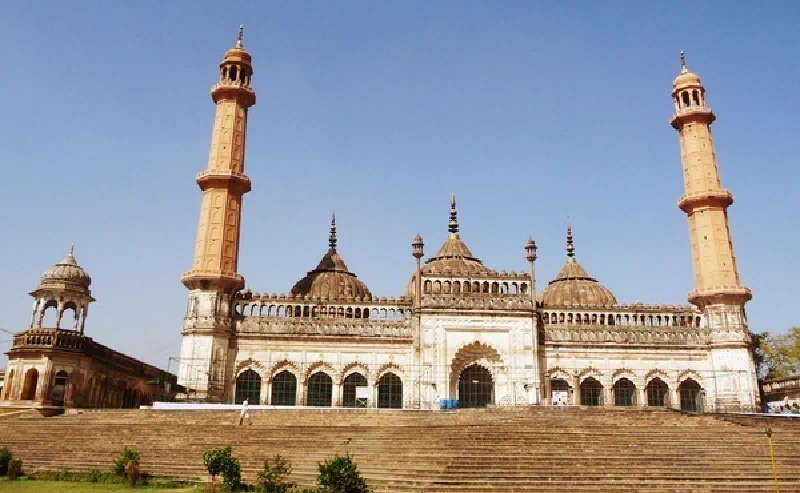
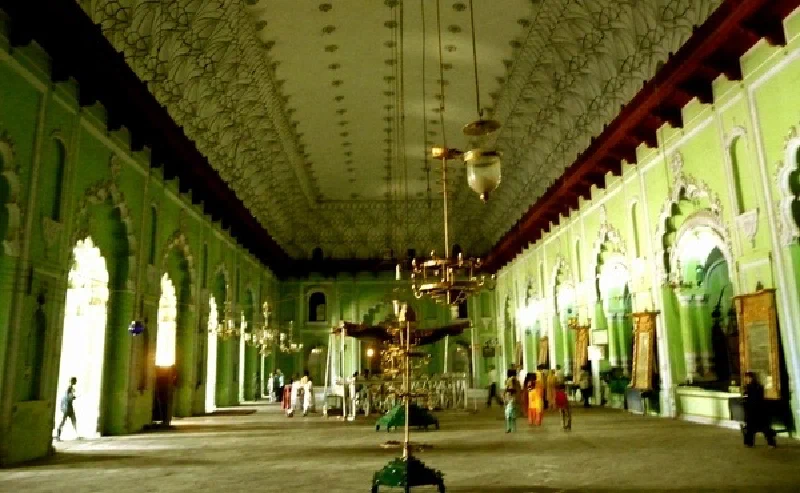
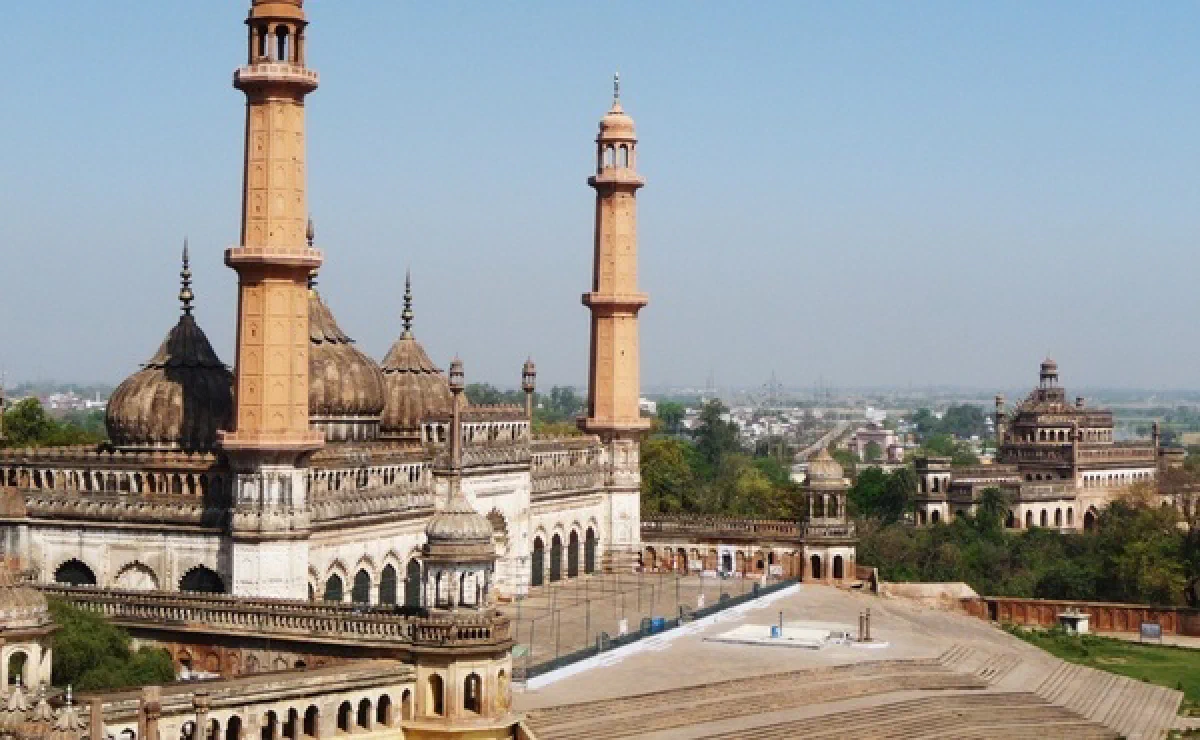
The Bara and Chhota Imambara are reminders of the days of the opulent Nawabs. Tall and majestic, the scale of the buildings is astounding. The remarkable feature of the Bara Imambara is the absence of pillars for support to the 50m long and 15m high main vaulted hall. Inside the Chhota Imambara are exquisite coloured glass chandeliers, carefully cared for and proudly displayed.
Nearby is the Hussainabad Picture Gallery which displays life size portraits of the Nawabs of Awadh.
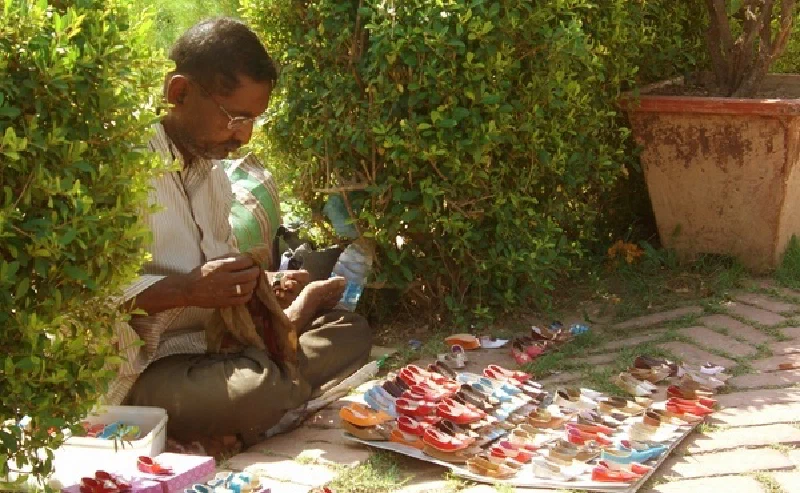
Lucknow is also known for its elaborate Mughlai cuisine and exquisite shadow-work embroidery on fine muslin cloth.