Kolkata
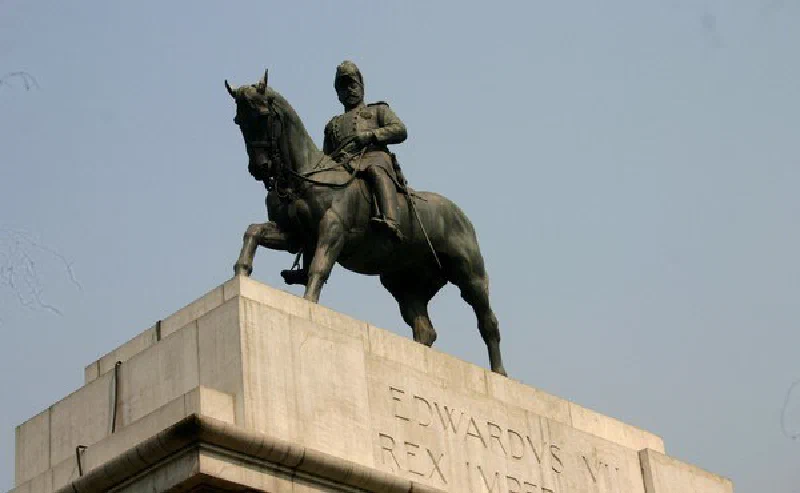
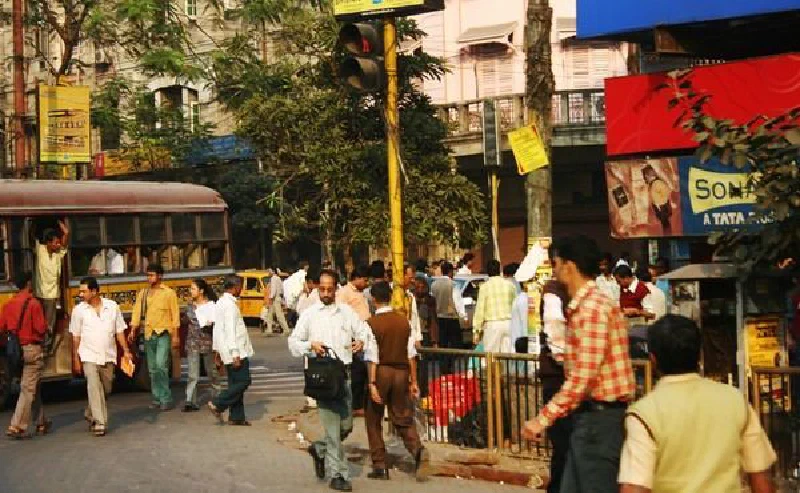
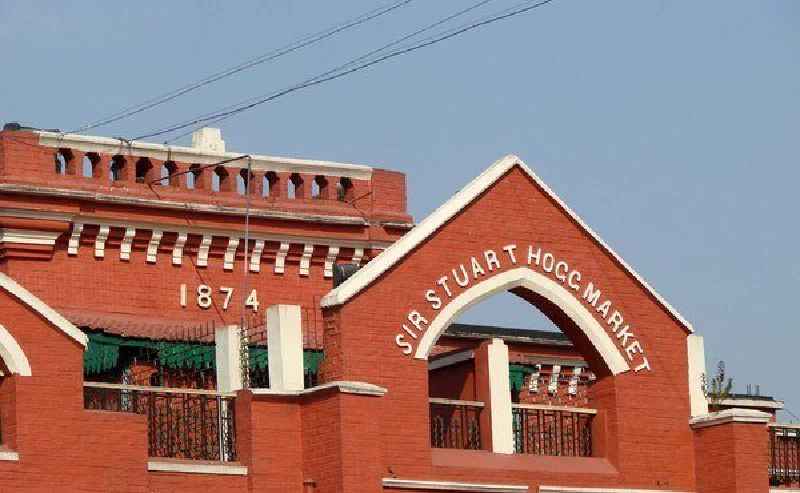
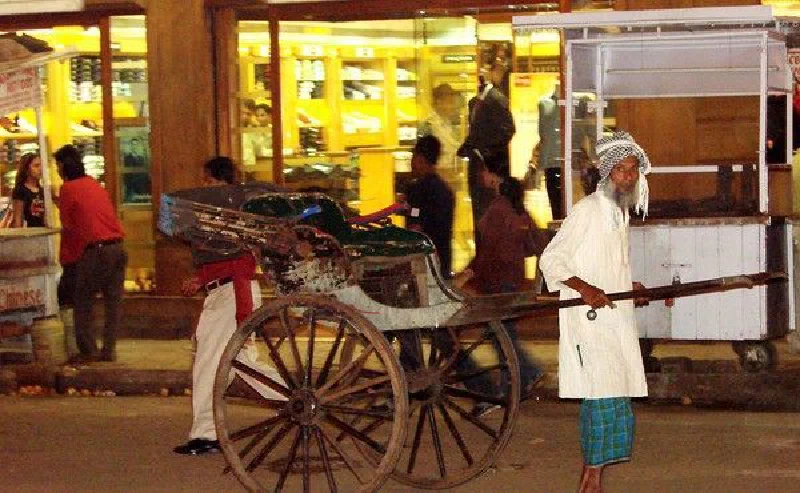
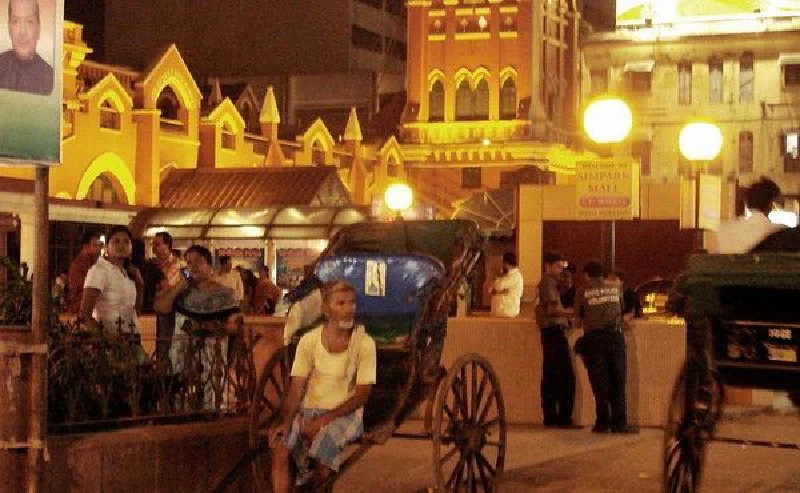
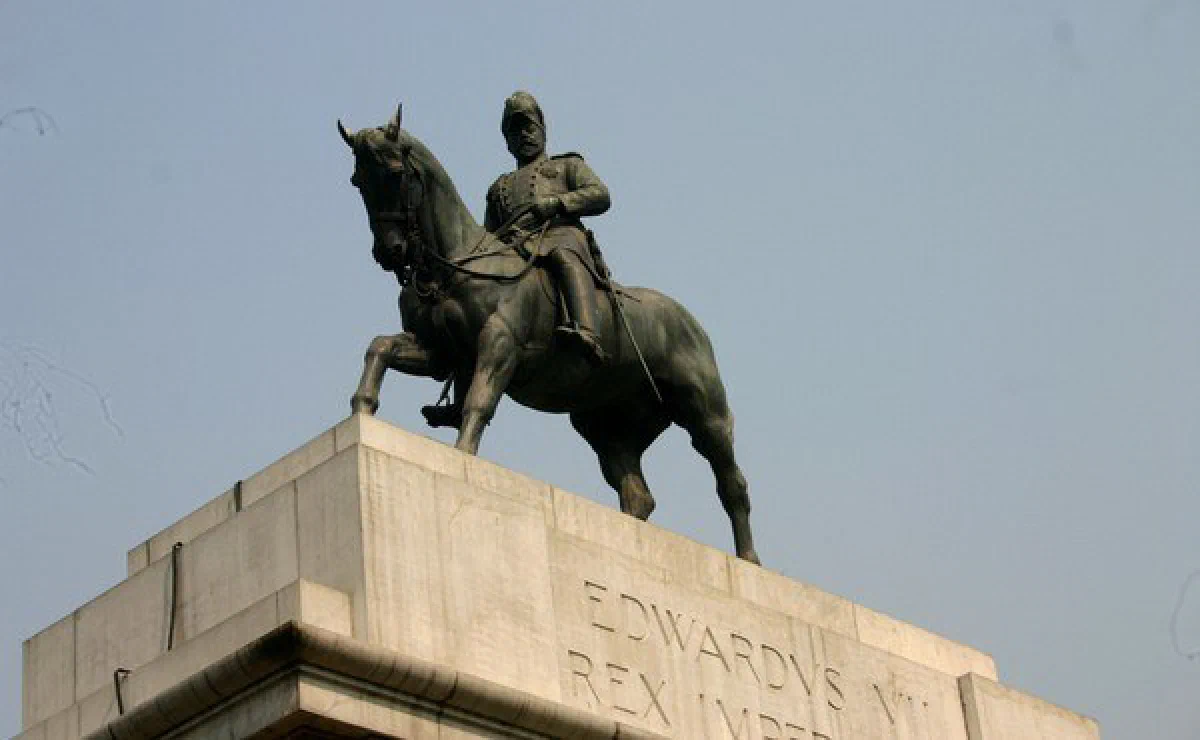
After establishing itself in Mumbai, the British East India Company arrived in Kolkata in 1690 and began creating a base for itself there, starting with the construction of Fort William in 1702. In 1772, Kolkata was declared to be the capital of British India, and remained as such until the British decided to shift the capital to Delhi in 1911.During the British Raj Kolkata was known as the Jewel of the East and was the Capital of the country till 1911. It still bears the Victorian imprint on its streets and structures. Today, it is still the most important city in the east, and is the nerve center of trade and industry throughout the region.
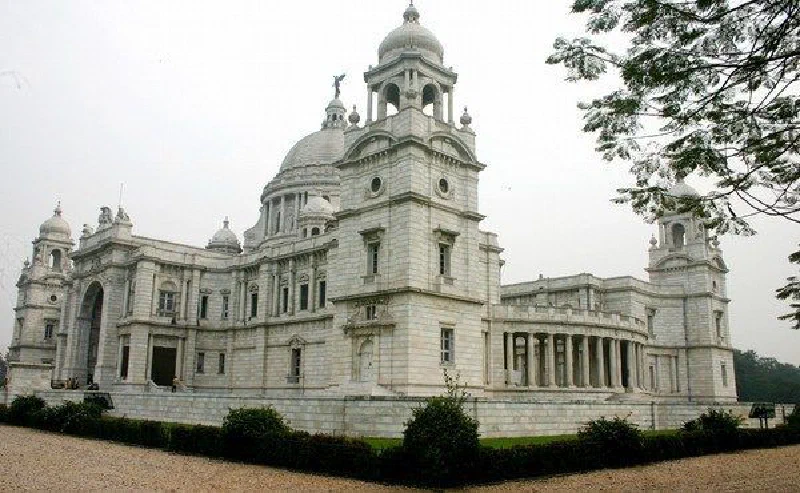
At the southern end of Kolkata’s huge central park, the Maidan, is the Victoria Memorial. The portraits and paintings in this huge marble museum tell the story of the British Raj in India. Nearby is the imposing St. Paul’s Cathedral, the first Church of England cathedral to be built in the British Empire.
The Kali Temple, also known as Kalighat, is an important centre of Hindu pilgrimage. The ornate Digambar Jain temple, built by a jeweller in 1867, has richly decorated interiors in European baroque and Italian styles. The Indian Museum is one of the largest and most impressive museums in India, with a superb archaeology and sculpture department.
Sunderbans National Park
A few hours journey by road and boat from Kolkata are the Sunderbans. This is the world's largest river delta, created by the vast Ganges, Brahmaputra and Meghna rivers. A UNESCO World Heritage Site, the Sunderbans cover a vast area of 4264 square km in India alone.The area is home to man-eating tigers that cross vast tracts of water to enter villages. Life in the Sunderbans is a daily struggle to stay away from them!
Despite this fearsome reputation, Sunderbans is a haven for wildlife and nature enthusiasts, due to its unique habitat that attracts scores of birds.